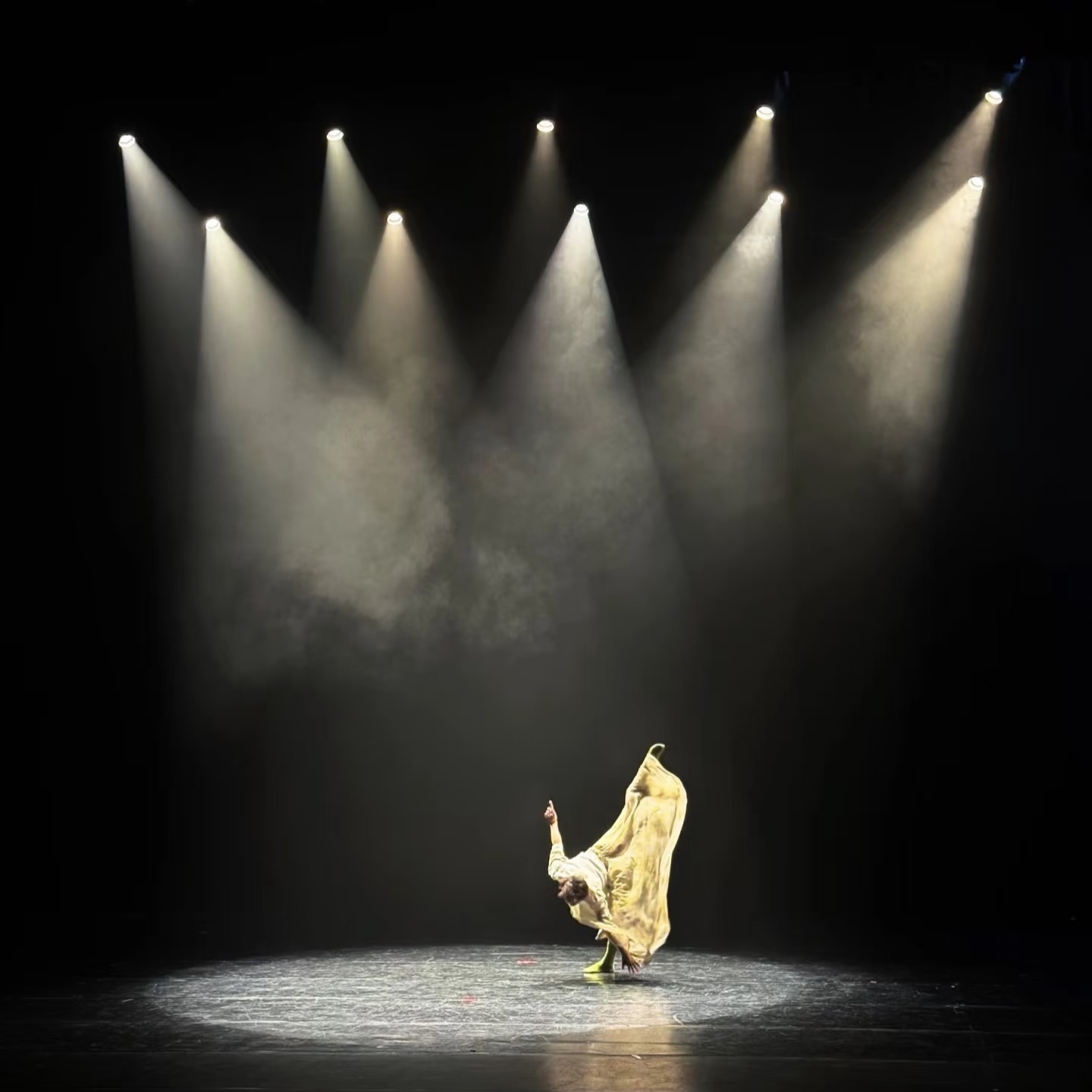


A 300W beam moving head is easy to underestimate on a spec sheet. There are newer LED options, higher-power lamps and hybrid fixtures everywhere, yet this power class still shows up in a lot of rental inventories because it sits in a useful middle ground between output, fixture size and cost.
The question isn't whether 300W is "better." It's whether that fixture still makes sense for the throw distance, venue size and type of effect the buyer actually needs.
DMON Lighting is a stage lighting manufacturer producing beam and moving head fixtures for professional rental and project applications.
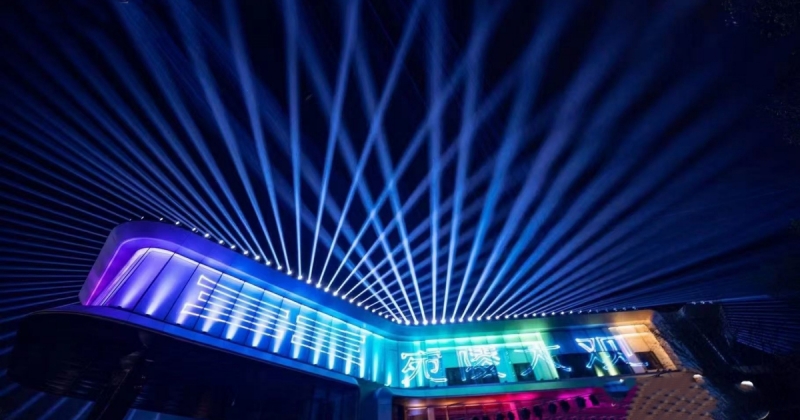
Why Beam Definition at Distance Still Matters
At longer throws, beam definition becomes just as important as raw brightness. Two fixtures with similar wattage can look very different once optics, lamp quality and beam angle are taken into account.
A well-designed 300W beam fixture can still produce a tight, readable aerial effect over useful stage distances, which is one reason this class remains relevant for rental and event work. Some 300W beam fixtures use sources such as the Philips MSD Platinum 300LL, but actual performance still depends on the complete optical system, not the lamp name alone.
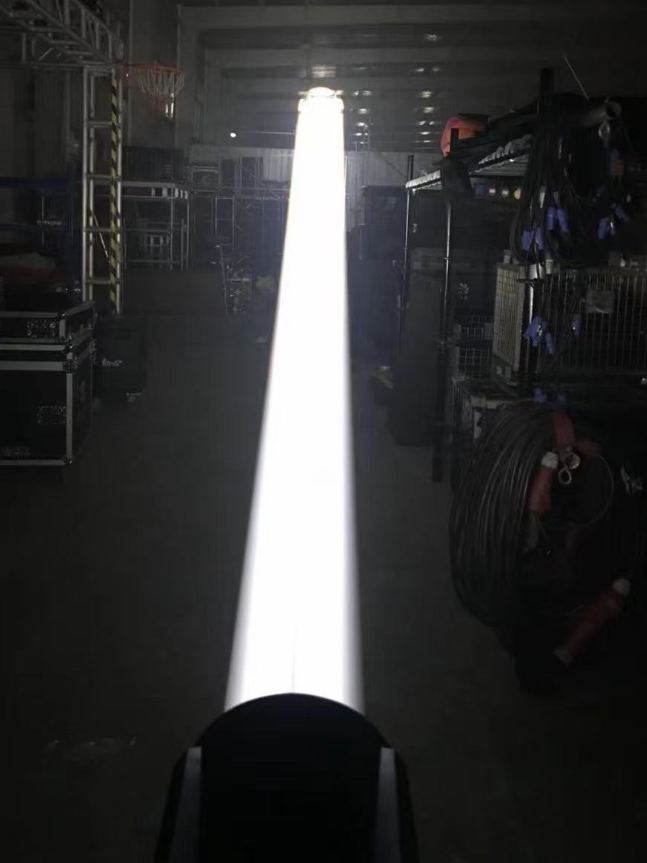
This matters most when:
- the rig needs visible aerial effects over longer throws
- the fixture is being used for synchronized beam looks across several units
- the buyer needs a compact beam fixture that's still easy to transport
LED or Discharge: It Depends on the Job
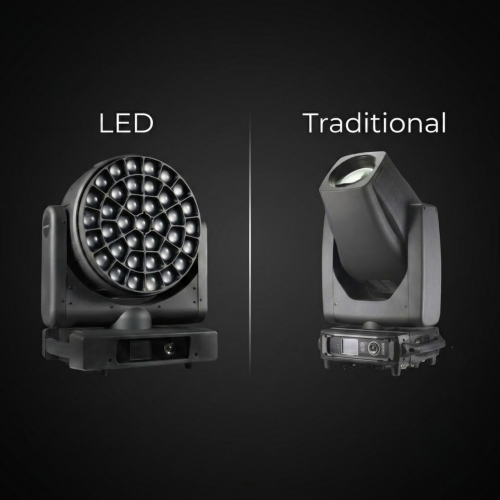
LED beam technology has improved quickly, and there's no useful rule that says one source type is automatically better. Discharge fixtures may still offer strong intensity and compact optics in some designs, while LED fixtures bring advantages such as instant start, lower maintenance and no lamp replacement.
For a rental company, the practical comparison isn't "LED vs discharge" in isolation. Look at measured output, beam angle, fixture weight, power consumption, maintenance requirements and replacement cost over time. Both can make sense. The better fit comes down to how the fixture will actually be used.
What to Check Before Buying a 300W Beam Moving Head
If you're sourcing 300W beam moving head lights, a few details are worth checking beyond the headline wattage and feature list.
Lamp / light source. Check the exact light source used in the fixture and whether replacement sources are easy to obtain. If the model uses a branded discharge lamp such as Philips or OSRAM, verify the actual lamp model rather than relying only on the fixture wattage.
Prism. Prism quality is easier to judge in video than in a specification sheet. Look at whether the split beams stay even as the prism rotates and whether the effect remains clean at different focus positions.
Thermal management. Thermal design matters because heat affects the lamp, electronics and mechanical components over time. Ask for continuous-run testing, especially if the fixture will be used for long events or rental schedules.
Pan/tilt accuracy. Pan and tilt speed are easy to advertise. Repeatability is harder to see on a spec sheet. A useful test is whether the fixture returns to the same position after repeated fast movements, and whether multiple units stay aligned over time.
Price Only Makes Sense When You Compare the Same Things
Two 300W beam fixtures can have very different prices even when the headline specifications look similar. Light source, optics, motors, cooling, electronics, housing design, included accessories and after-sales support all affect cost.
For buyers, the useful comparison isn't simply price per fixture. Check what's actually included, how easy the fixture is to service, whether spare parts are available, and how consistent multiple units are within the same batch.
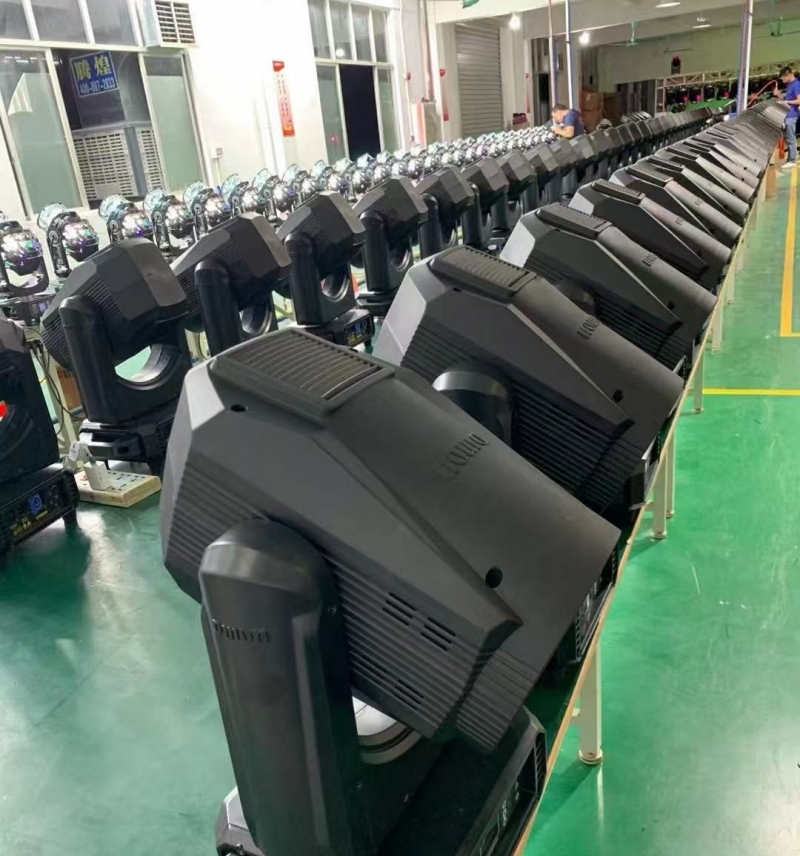
Where a 300W Beam Still Makes Sense
A 300W beam moving head can still make sense when the buyer needs strong aerial output without moving to a larger, heavier fixture.
It isn't automatically the right choice for every project. Larger stages, outdoor work, low-maintenance installations or LED-only inventories may point toward a different fixture. The useful comparison is beam quality, optics, repeatability, cooling and serviceability — not wattage alone.
If you're comparing beam fixtures for a rental inventory or stage project, contact our team with the venue size, throw distance, indoor or outdoor use, and the type of beam effect you need.
Frequently Asked Questions
What is a 300W beam moving head light?
A 300W beam moving head is a motorized stage lighting fixture designed to produce a narrow, high-intensity beam for aerial effects. Depending on the model, it may use a discharge or LED light source and can include gobos, prisms, focus and movement effects.
How long does a 300W beam lamp last?
Lamp life depends on the exact source, operating conditions and fixture cooling. If a model uses a specific discharge lamp, use the lamp manufacturer's rated life as a reference and plan replacement based on actual operating hours.
What is the difference between a 200W and 300W beam moving head?
A higher-wattage fixture may provide more output, but wattage alone doesn't tell you how the beam will look at distance. Optical design, beam angle, light source efficiency and focus all affect usable beam intensity and definition.
Can 300W beam moving head lights be used outdoors?
Some can, but only if the fixture has an appropriate IP rating. Standard indoor beam fixtures should be protected from rain, moisture and dust during outdoor use.
What should I check before buying a 300W beam moving head?
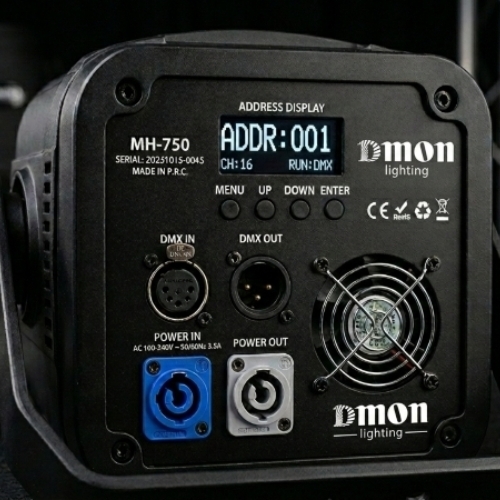
Check the exact light source, beam angle, prism and gobo quality, pan/tilt repeatability, cooling design, DMX modes, service access and spare-part availability. A short continuous-run and movement test can reveal more than the headline wattage alone.
Is LED better than a discharge beam moving head?
Not automatically. LED offers advantages in maintenance and instant start, while some discharge designs still deliver strong beam intensity in compact fixtures. Compare the actual output, optics, weight, power consumption and service requirements for the application.
DMON Lighting manufactures professional stage lighting equipment in Guangzhou, China, serving distributors, rental companies and project contractors in international markets.