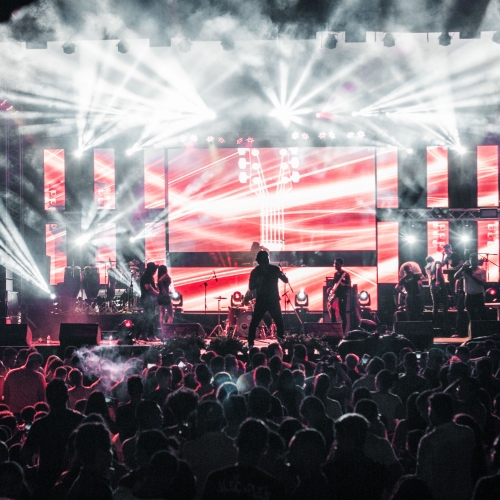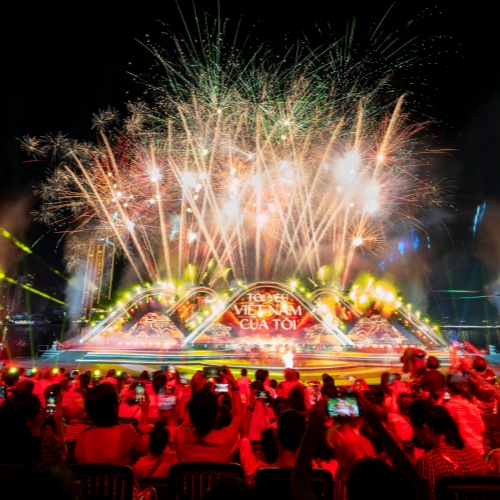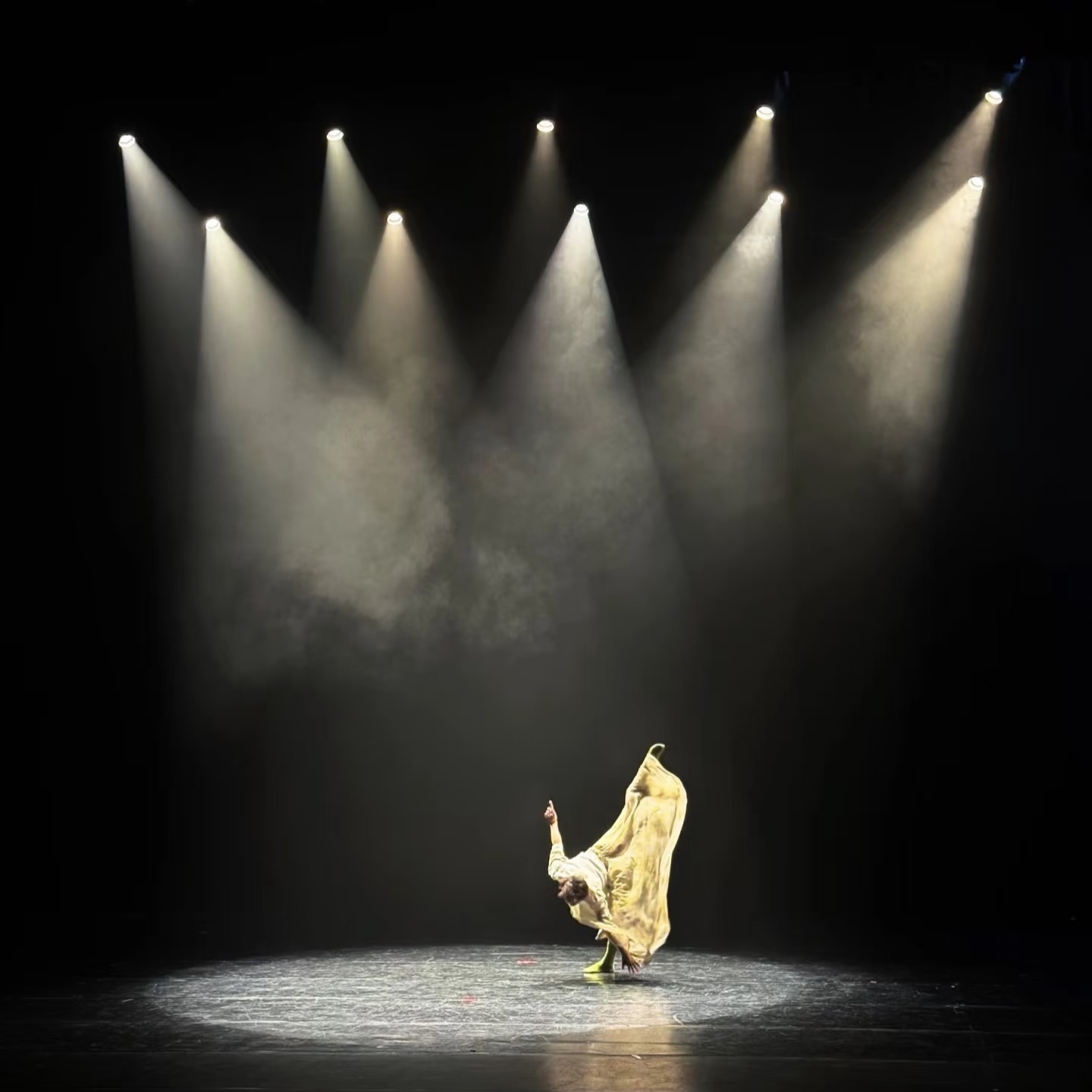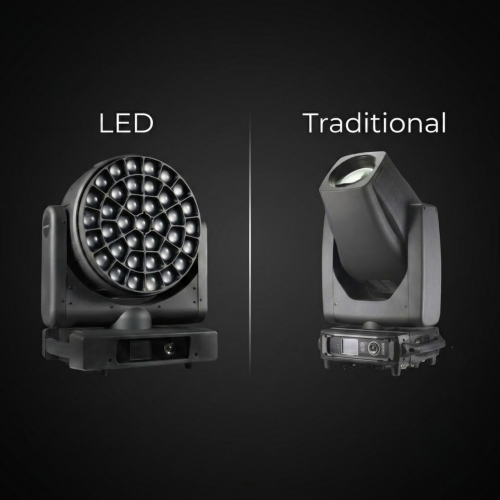


Wedding stage lighting usually needs to do two very different jobs: provide soft, flattering illumination during the ceremony and dinner, then create more dynamic effects for the reception and dance floor. A typical setup may combine LED wash moving heads, beam or spot fixtures, controlled white light, scene presets and atmospheric effects depending on the venue and event format.
Many wedding lighting problems come from planning the entire event as one lighting scene. Coverage, color temperature, fixture positioning and control should be considered separately for the ceremony, dinner, first dance and open dancing.
DMON Lighting is a stage lighting manufacturer producing moving head and stage lighting fixtures for professional event and rental applications.
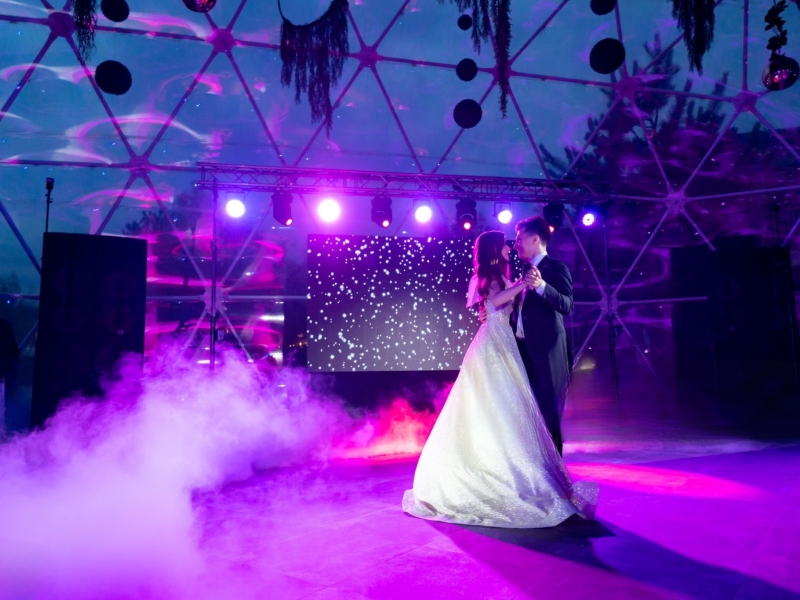
Wedding Lighting Has Different Needs Across the Event
A wedding isn't one lighting scene — it typically runs through ceremony, dinner, speeches, first dance and open dancing, and each stretch asks for something different from the rig.
Ceremony and dinner call for even wash coverage, flattering white light, softer output and controlled color temperature — the priority is that guests and the couple look good, both in person and in photos.
Reception and dance floor call for moving effects, beam or spot fixtures, color changes and more energy. A rig set up only for dinner tends to look underwhelming once the dancing starts, or has to be partly switched off and reprogrammed on the fly.
Planning these scenes in advance makes transitions smoother and gives the operator more control throughout the event.
LED Wash Moving Heads for Wedding Stage Lighting
LED wash moving heads are the foundation of most wedding stage lighting setups. They handle the warm, even coverage needed during ceremony and dinner, and shift to saturated colors for the reception.
RGBW fixtures add a dedicated white component, which can provide more flexible white-light mixing than basic RGB systems. Actual skin-tone quality still depends on the LED engine, optical design, color rendering and how the fixture is programmed — RGBW alone doesn't guarantee accurate skin tones.
The required number of wash fixtures depends on stage width, dance floor size, trim height, throw distance, beam angle and fixture output. Coverage should be planned from the actual venue dimensions rather than guest count alone. For rental companies, motorized zoom can make the same wash fixture easier to adapt between smaller venues and larger ballrooms.
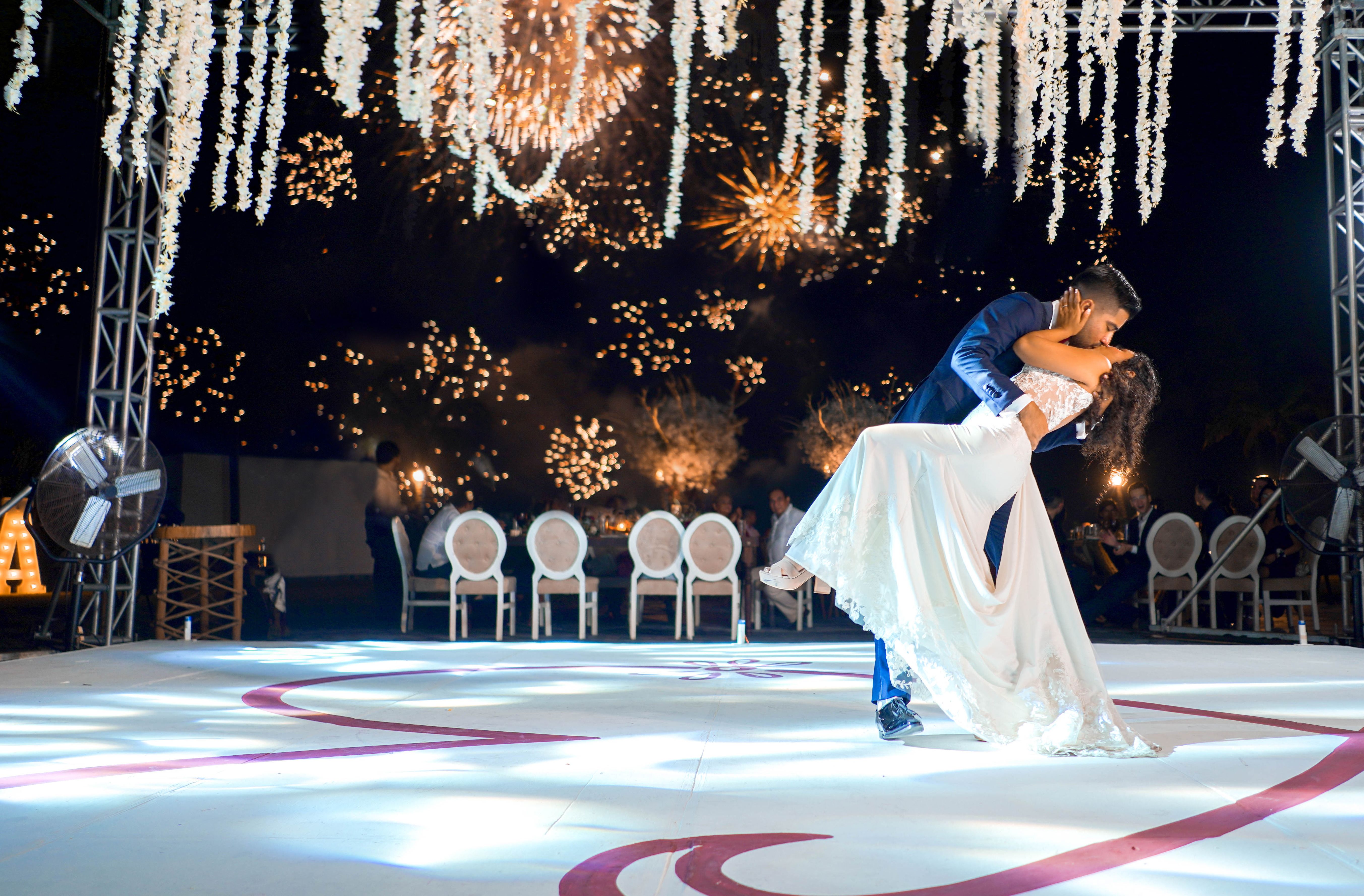
Beam and Spot Moving Heads for the Reception and Dance Floor
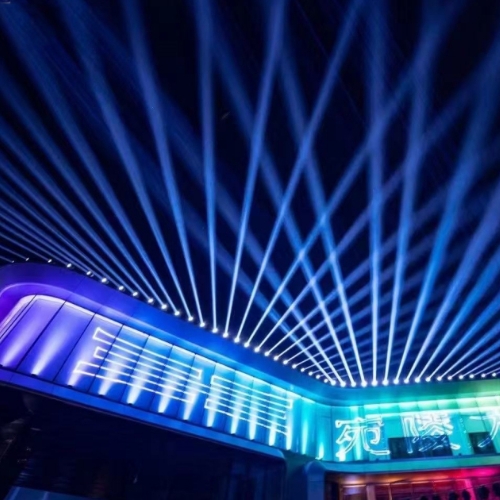
Beam moving head lights are commonly used to add aerial movement and visual energy above the dance floor. Sharp light columns sweeping through haze and synchronized patterns above the crowd can create the kind of high-energy atmosphere often associated with nightclub-style dance floors. The number of beam fixtures depends on dance floor size, mounting positions, ceiling height, throw distance and the amount of visual impact required.
A spot moving head with suitable zoom, focus and positioning control can be used to highlight the couple during key moments, project gobos or patterns, and add more controlled effects during transitions between dinner and dancing. For wedding rental rigs that cover multiple event types, a spot moving head can add more projection and highlighting options alongside beam fixtures.
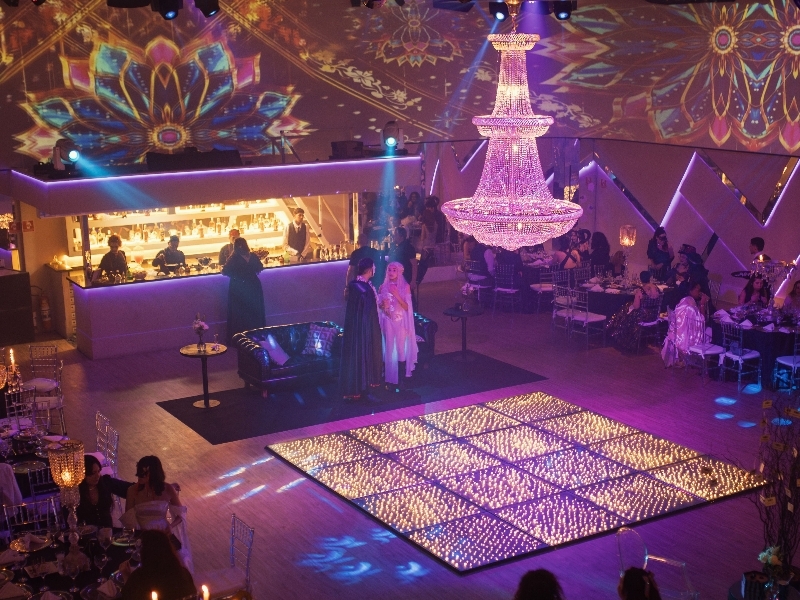
Color Temperature and Photography
Most guests at a modern wedding are shooting photos and video on a smartphone. Mixed color temperatures can make white balance more difficult for photographers and smartphones, especially when warm ambient lighting and cool stage lighting are used at the same time.
Warm white in the 2700K–3200K range is common in many wedding venues, but the better approach is to match or complement the venue's ambient lighting and the photographer's requirements, rather than treating any single value as a universal setting.
Lighting Control and Scene Programming
In some wedding and event setups, one operator may be responsible for multiple systems, which makes simple and reliable scene programming especially useful. Pre-programming key scenes — ceremony, dinner, first dance, open dancing, last song — means the operator triggers a scene rather than adjusting individual fixtures live, which reduces pressure during the parts of the night that matter most.
How to Build a Wedding Lighting Setup
Stage and Couple Coverage
Use wash or profile fixtures to provide even, flattering illumination for the stage, speeches and key moments.
Dance Floor Effects
Add beam or spot moving heads where more movement and visual energy are required.
Atmospheric Effects
Use haze only where appropriate and permitted by the venue, especially when aerial beam effects are part of the design.
Lighting Control
Program separate scenes for ceremony, dinner, first dance and open dancing so the operator can move between them with a single trigger.
This scales down for smaller venues and up for large ballrooms or outdoor marquee events, based on the actual space rather than a fixed formula.
What Should Rental Companies Check When Choosing Wedding Lighting Fixtures?
For rental companies, fixture selection should not be based only on how a unit looks during a demo. Weight, setup time, DMX flexibility, consistency between units, spare-part availability and how easily the fixture adapts to different venue sizes all affect the real operating cost. Indoor versus outdoor requirements, zoom range and white-light quality are also worth checking against the range of venues the fixture will actually be used in.
Frequently Asked Questions
What lighting equipment is commonly used for weddings?
Wedding lighting setups may combine LED wash moving heads for coverage, beam or spot fixtures for reception effects, and a DMX control system for scene changes. The exact mix depends on the venue, stage, dance floor and event format.
What is the best lighting for a wedding stage?
A good wedding stage setup usually starts with even, flattering coverage for the couple and speakers. Wash or profile fixtures can provide the base illumination, while beam or spot moving heads can be added for reception effects depending on the venue and design.
How many lights do I need for a wedding venue?
There is no universal fixture count. Stage dimensions, dance floor size, trim height, throw distance, fixture output and required effects all influence the number of lights needed.
Do I need haze for wedding lighting?
Haze is useful when visible aerial beam effects are required, but it is not necessary for every wedding. Venue rules, smoke detection systems and guest comfort should be checked before using haze.
What color temperature is suitable for wedding stage lighting?
Warm white around 2700K–3200K is common in many wedding venues, but the best setting is one that works with the room's ambient lighting and photography requirements.
Can one person operate wedding stage lighting?
Yes, if the setup is simple and key scenes are programmed in advance. For larger or more complex events, dedicated lighting operation may be more practical.
If you're planning a wedding lighting package for rental or venue projects, contact our team with the stage size, dance floor dimensions, indoor or outdoor use, and required effects.
DMON Lighting manufactures professional stage lighting equipment in Guangzhou, China, serving distributors, rental companies and project contractors in international markets.