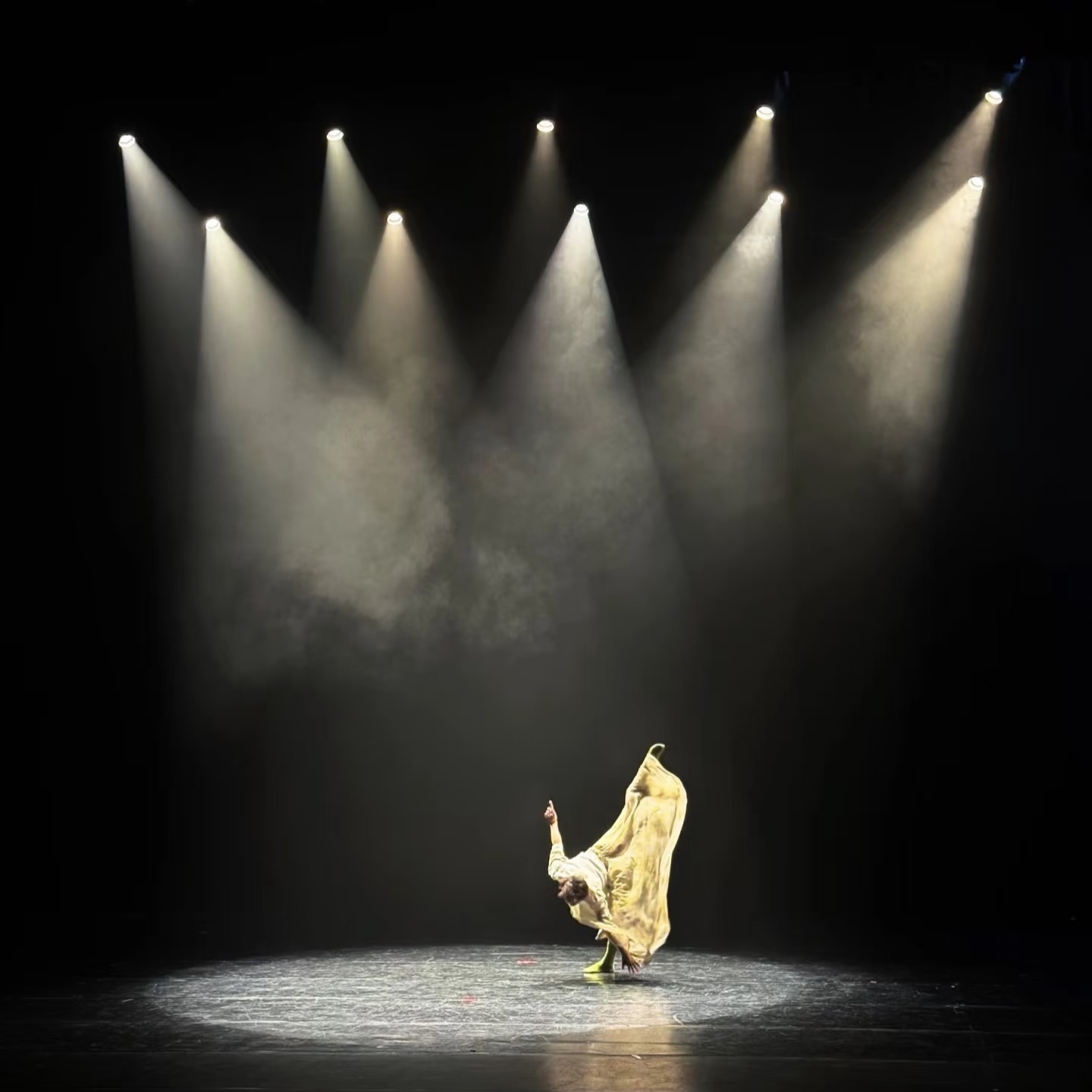


A concert lighting rig is the complete system of lighting fixtures, truss positions, control equipment and atmospheric effects used to light performers and create visual effects during a live show. A typical rig may combine beam, wash and spot moving heads, strobes or blinders, DMX control and haze, but the exact setup depends on the stage, venue and production requirements.
Concert lighting rigs often fail for predictable reasons: poor fixture positioning, uneven wash coverage, an unbalanced fixture mix, or a control system that becomes difficult to manage during the show. Most of these problems are decided before a single fixture gets rigged — they're spec and planning failures, not equipment failures.
From a fixture and system-planning perspective, many rig problems can be traced back to decisions made before installation begins. DMON Lighting is a stage lighting manufacturer producing moving head and stage-effect fixtures for professional applications.
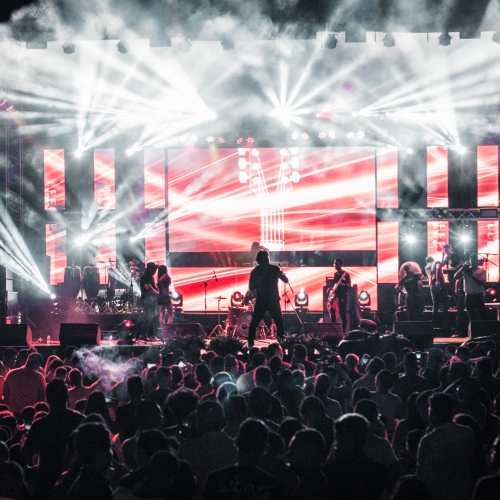
What Does a Concert Lighting Rig Include?
| Component | Main Role |
|---|---|
| Beam moving heads | Aerial effects and long-throw visual impact |
| Wash moving heads | Stage coverage, performers and color |
| Spot/Profile fixtures | Highlighting, gobos and controlled projection |
| Strobes / Blinders | Impact, accents and audience effects |
| Haze | Makes aerial light paths more visible |
| DMX / Lighting Console | Controls fixtures, cues and effects |
| Truss / Rigging Positions | Determines coverage and visual geometry |
Start with Stage Size, Throw Distance and Rigging Positions
Everything in a concert lighting rig scales from the stage itself. A rig built for a 6-meter club stage doesn't just need fewer fixtures than a 20-meter festival stage — the whole approach to positioning, throw distance and beam angle changes with scale.
There is no reliable fixture-count formula based only on stage width. Two stages of the same size can need very different rigs depending on trim height, throw distance, fixture output, truss positions and the type of show being produced.
A better approach is to plan the rig by function: stage coverage, aerial effects, performer highlighting and special effects. Once those needs are defined for the specific venue, fixture count and positioning follow — not the other way around.
Beam Moving Heads in a Concert Lighting Rig
Beam moving heads are commonly used to create the aerial columns, sweeps and synchronized patterns that give a concert rig much of its visual depth. But they only work if they're positioned correctly.
The most common mistake is mounting beam moving heads too low. For aerial effects to read, fixtures need enough vertical distance between the fixture and the audience sightline. On a club-height ceiling, this is a real constraint — sometimes there simply isn't enough throw distance for beam effects to develop before hitting the crowd. Knowing this in advance changes the fixture selection and positioning strategy.
For concert touring, beam fixtures are typically positioned on upstage truss at height, mid-stage truss for cross-lighting, and sometimes on floor positions for up-beam effects through haze. Each position creates a different visual effect, and position generally matters more to the final look than raw fixture count.
Planning Wash Coverage for a Concert Lighting Rig
Concert stage lighting rigs are frequently underspecced on wash. Beam fixtures get the attention and budget, wash units get cut when costs need to come down. The result is a rig that looks strong in aerial effects and flat the moment those effects stop — because there's nothing covering the stage with even, controlled light.
Wash coverage should be calculated from beam angle and throw distance, then adjusted for the amount of overlap required by the application. Overlap helps reduce visible dark zones and improves uniformity, but the required amount depends on fixture optics, mounting position and stage design. As a geometric example, a 60° wash fixture at 8 meters throw covers roughly 9 meters of stage width — a useful way to estimate coverage, not a fixed configuration standard to apply everywhere.
Color temperature control also matters at concerts, since performers need to be visible and well-lit during slower songs, not just during high-energy segments. RGBW wash fixtures can provide a cleaner white component and more flexible color mixing than basic RGB fixtures, although actual white quality and color rendering still depend on the LED engine and optical design.
Spot and Profile Fixtures for Highlighting and Projection
Spot or profile fixtures are sometimes deprioritized when budgets are tight, but they can add controlled projection, gobos and more precise highlighting to the rig. Spot or profile moving heads are useful when the rig needs controlled projection, gobos, sharper beam edges or more precise highlighting of performers and stage areas — tools that neither beam nor wash fixtures are built to provide.
For larger productions, spot moving head fixtures often handle detail work that beam units can't: tight key lighting on lead performers, logo projection, and precise cue-to-cue transitions. For smaller concerts and club shows, even a modest number of spot fixtures positioned for front-of-stage coverage can meaningfully expand what a lighting designer can do with a limited rig.
Why Haze Matters for Concert Lighting
Atmospheric haze makes aerial beams much more visible by scattering light through the air. Without haze, beam fixtures can still illuminate surfaces, but the light path itself is far less visible to the audience — which is a large part of why beam fixtures are chosen in the first place.
For concert stage lighting, a continuous-output haze machine that produces a fine, even mist is generally the right tool. Fog machines produce too much output and settle too fast for this purpose. The goal is a consistent, thin atmospheric haze throughout the venue — enough to make beams visible, not enough to be noticeable to the audience as smoke.
DMX Control and Universe Planning
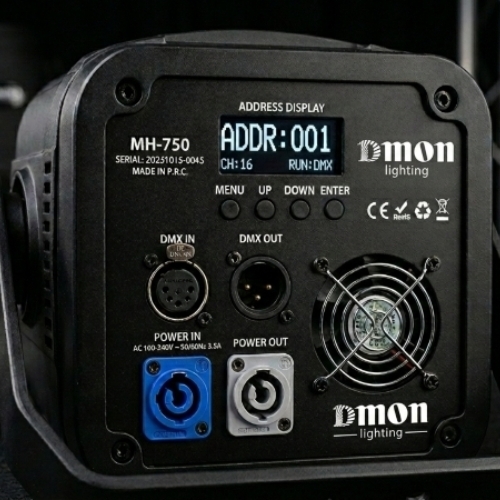
The required channel count for a concert lighting rig depends on fixture quantity and DMX mode. A moving head running in an extended mode may use far more channels than the same fixture in a basic mode, so universe planning should be done from the actual fixture personalities rather than from venue size alone.
A DMX512 universe carries 512 channels, and larger rigs typically span multiple universes as fixture count and channel modes add up. Address planning, reliable show-file loading, and DMX infrastructure that doesn't need rebuilding from scratch at every venue are operational requirements that matter as much as raw output specs for touring work.
How to Build a Concert Lighting Rig
- Define stage dimensions and trim height. These set the baseline for throw distance and fixture positioning.
- Separate lighting requirements by function. Decide what needs aerial effects, what needs coverage, and what needs highlighting.
- Plan fixture positions before fixture quantity. Truss layout and mounting height determine what a fixture can actually do on that stage.
- Calculate wash coverage and throw distance. Work from beam angle and mounting position, then adjust for overlap.
- Add beam, spot and effect fixtures based on show requirements. Build these in around the wash coverage, not instead of it.
- Plan DMX universes and control. Address fixtures based on their actual channel modes, not a generic estimate.
- Test sightlines, coverage and programming before the show. Positioning issues are far easier to fix during setup than during a live cue.
Planning a Concert Lighting Rig: The Main Takeaway
A strong concert lighting rig starts with stage geometry and function, not fixture quantity. Beam fixtures create aerial effects, wash fixtures provide coverage, and spot/profile fixtures add control and projection. Their positioning, output and control strategy matter as much as the number of fixtures.
If you're planning a concert or rental lighting rig and need help matching fixture types to your stage dimensions and application, contact our team with your stage size, throw distance and project requirements.
Frequently Asked Questions
What is a concert lighting rig?
A concert lighting rig is the complete system of fixtures, truss positions, control equipment and atmospheric effects used to light a live show. It typically combines beam, wash and spot moving heads with a DMX control system, though the exact mix depends on the venue and production.
What lights are used in a concert lighting rig?
Many concert rigs combine beam moving heads for aerial effects, wash moving heads for stage coverage, and spot or profile fixtures for highlighting and projection, with strobes or blinders added where the show calls for extra impact. Not every rig needs all of these — the mix depends on the production.
How do you plan a stage lighting rig?
Planning starts with stage size, trim height and throw distance, then works out available rigging positions, required coverage and the effects the show needs. Fixture count and control planning follow from those decisions rather than coming first.
How many lights do you need for a concert stage?
There is no universal fixture count. The required quantity depends on stage dimensions, trim height, throw distance, fixture output, rigging positions and the visual requirements of the production.
Do you need haze for concert lighting?
Haze significantly improves the visibility of aerial beam effects by scattering light through the air. Without it, beam fixtures still illuminate surfaces, but the aerial light path itself is much harder to see, which reduces the visual impact beam fixtures are typically chosen for.
How is a concert lighting rig controlled?
Concert lighting is controlled via the DMX512 protocol from a lighting console, which sends data to every fixture to manage pan, tilt, color, gobo, dimmer and other parameters. The number of universes a rig needs depends on the actual fixtures and DMX modes in use, not on venue size alone.
DMON Lighting manufactures professional stage lighting equipment in Guangzhou, China, serving distributors, rental companies and project contractors in international markets.