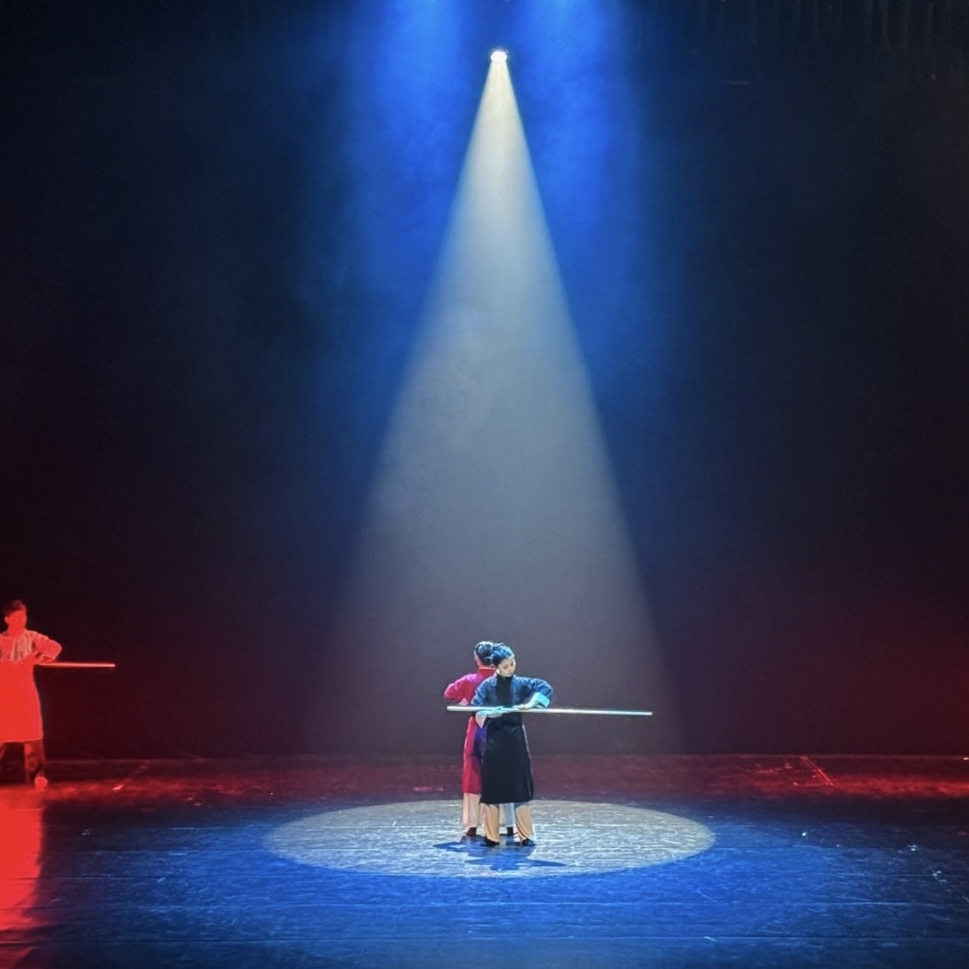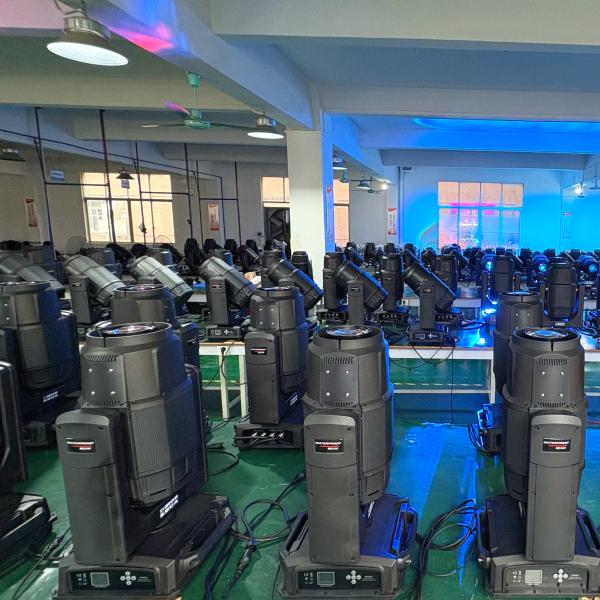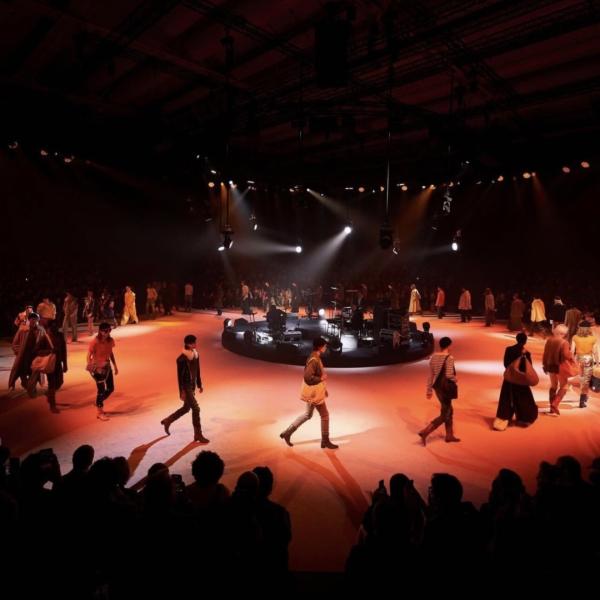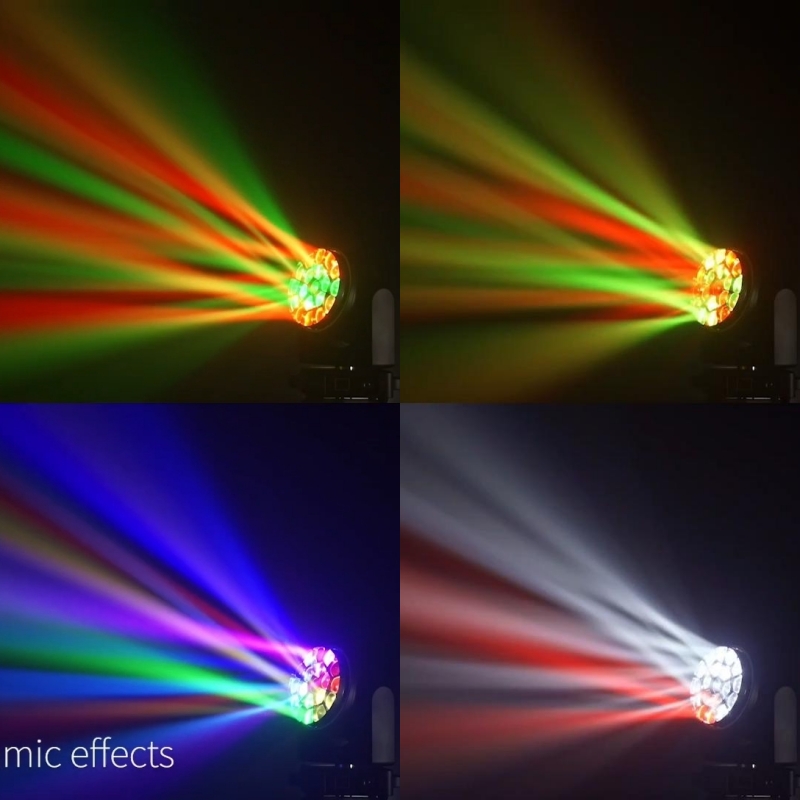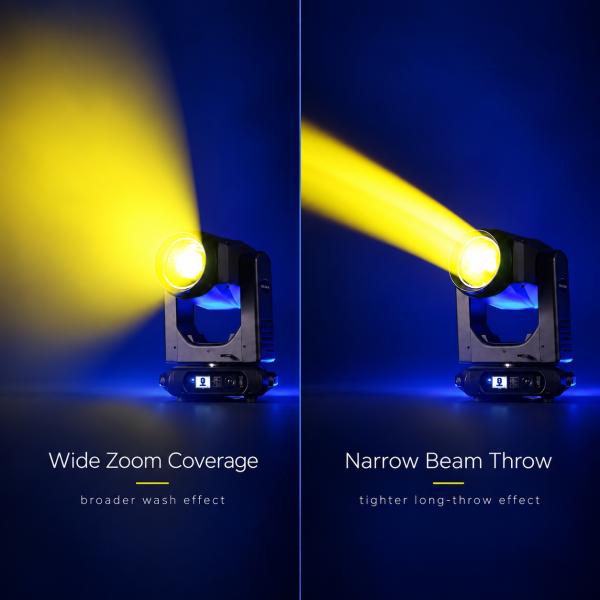

When choosing a framing moving head light for a theater or stage project, do not start with wattage alone. First check throw distance, mounting height and coverage. A fixture with better optics can deliver more usable light than a higher-wattage model with weaker optics.
DMON Lighting is a stage lighting manufacturer producing moving head fixtures for professional stage and project applications.
Check the Framing System, Not Just the Wattage
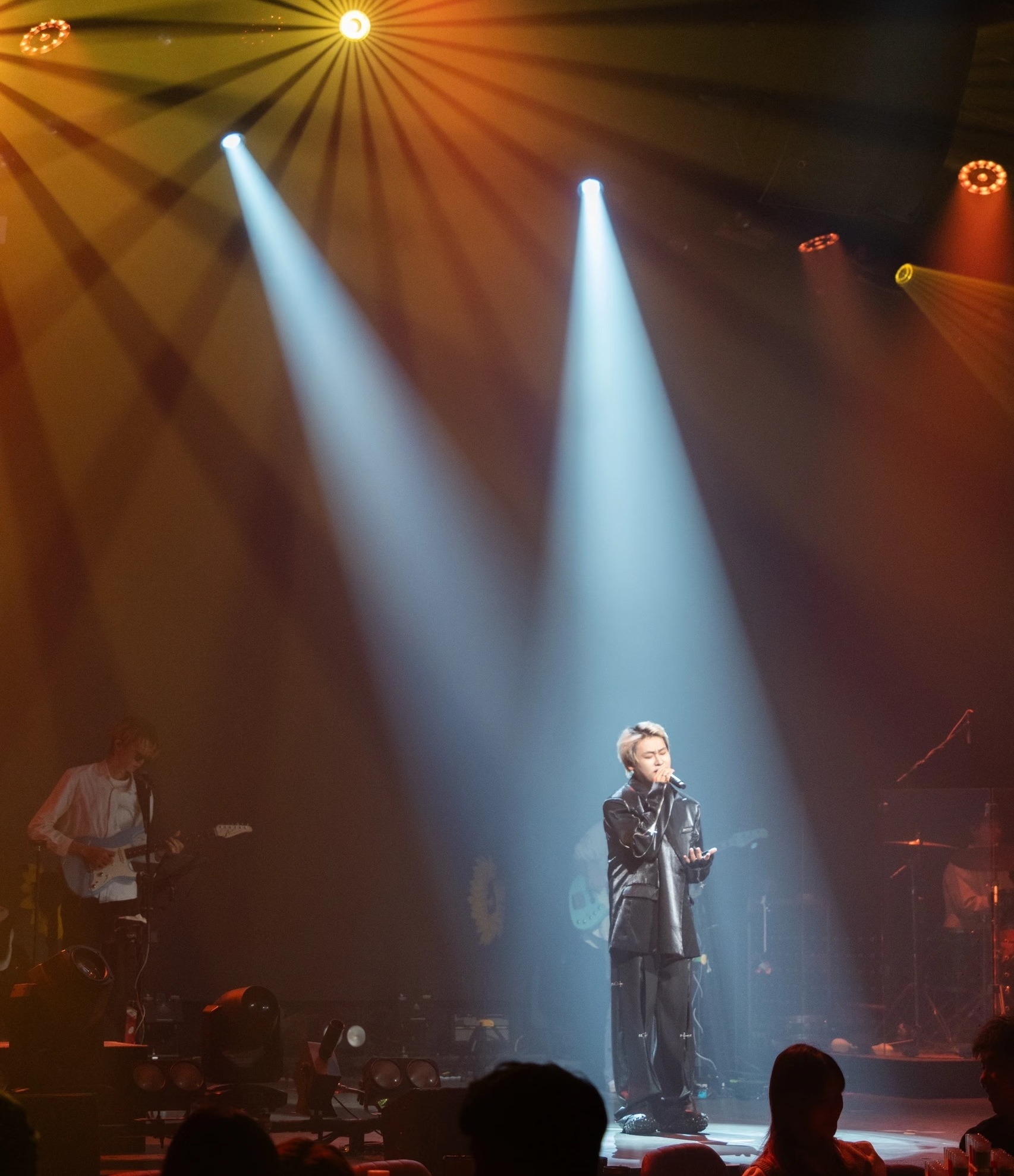
Most professional models use four shutter blades, but the real difference is accuracy. Test whether each blade moves independently and whether the fixture returns to the same framed position after pan and tilt movement. In theater work, repeatability often matters more than extra effects.
Look at Zoom, Focus and Color Quality
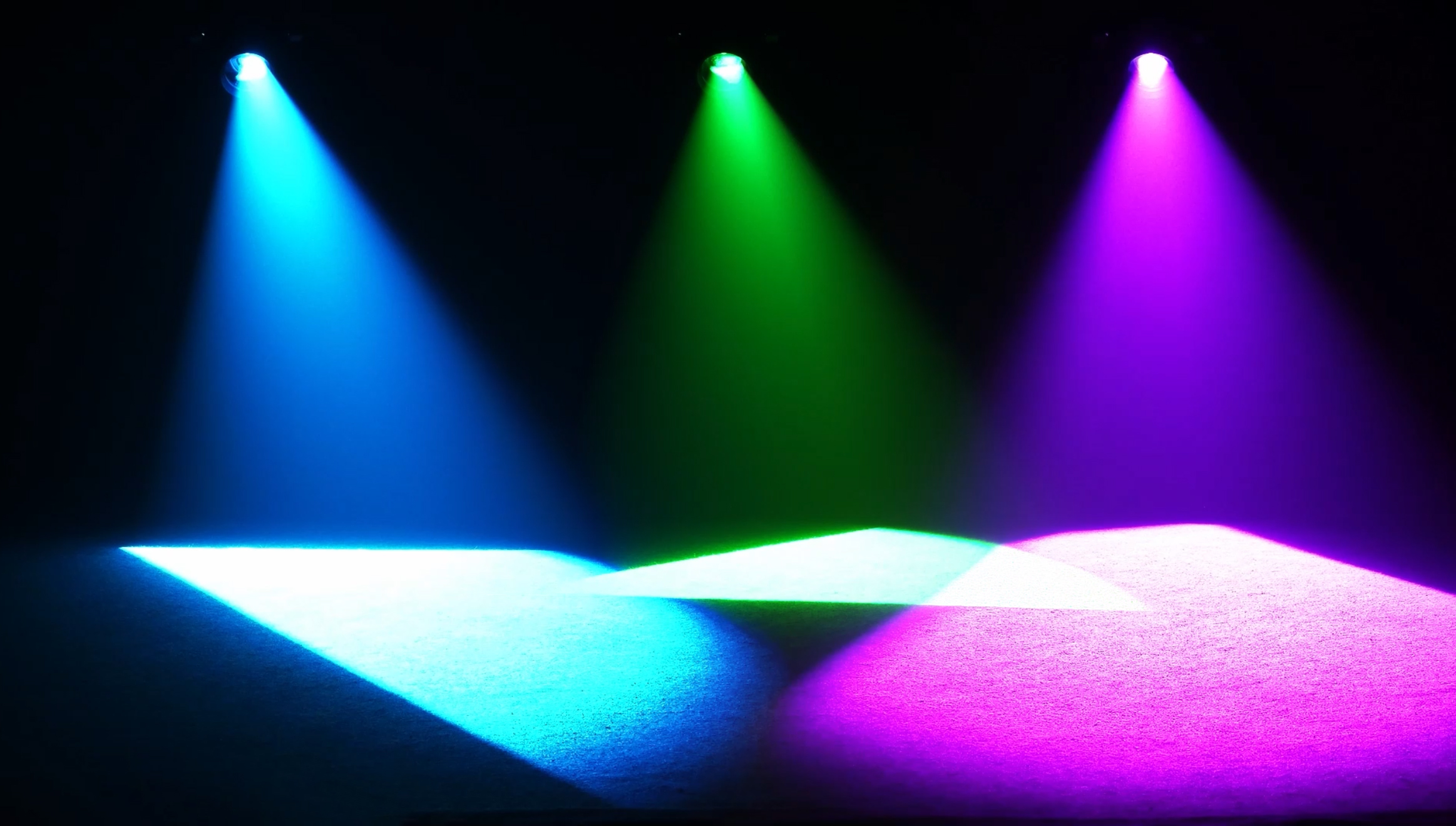
A framing moving head light should stay even across the zoom range you need. Check focus and edge quality together. If high CRI matters for performers or cameras, ask whether output drops in high-CRI mode.
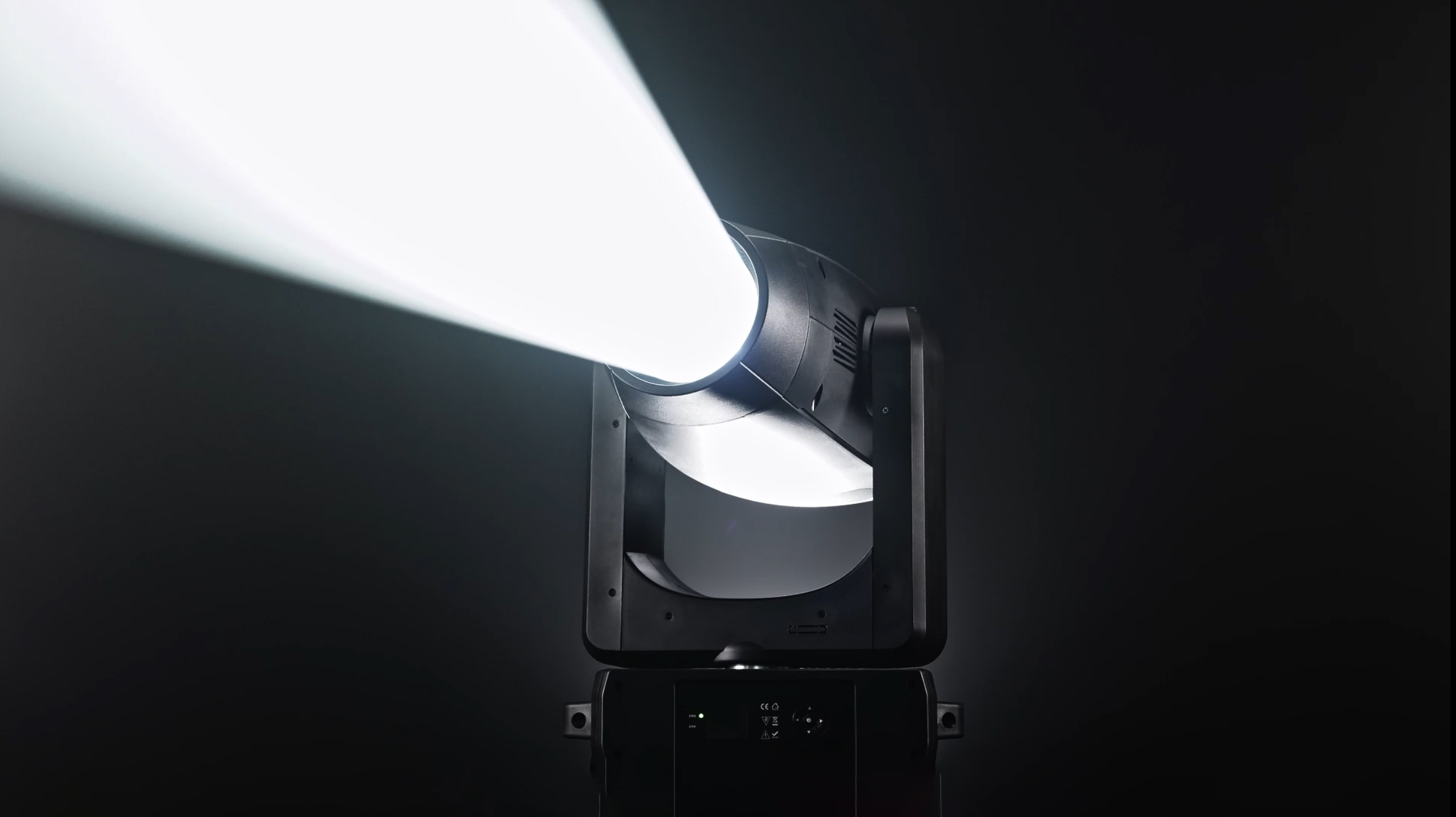
For projects needing CMY, CTO, zoom and four-blade framing, the LM600X framing moving head light is one option to compare.
Test Noise and Dimming in Real Conditions
Noise and dimming also need a real test. Listen to the fixture in a quiet room and watch a slow fade from 10% to zero. A framing moving head light that looks good in a fast demo may behave differently during a quiet theater cue.
Choose for the Actual Stage
DMON Lighting recommends choosing a framing moving head light around the actual venue rather than comparing wattage alone. Contact us with the stage size, mounting height and throw distance, and we can help narrow down the suitable fixture.