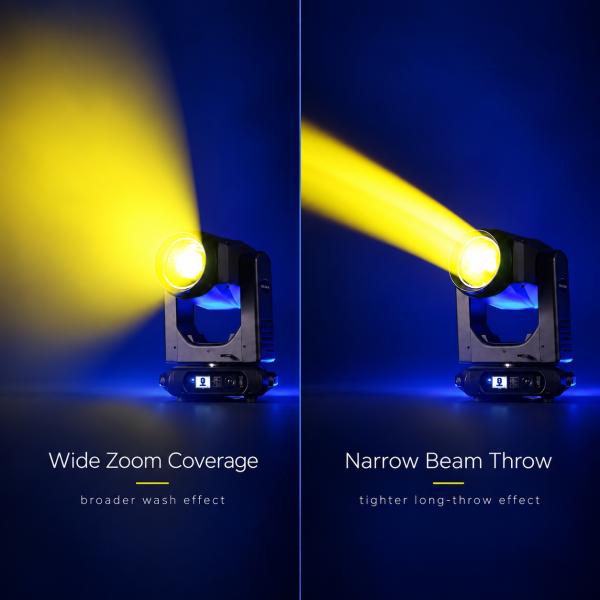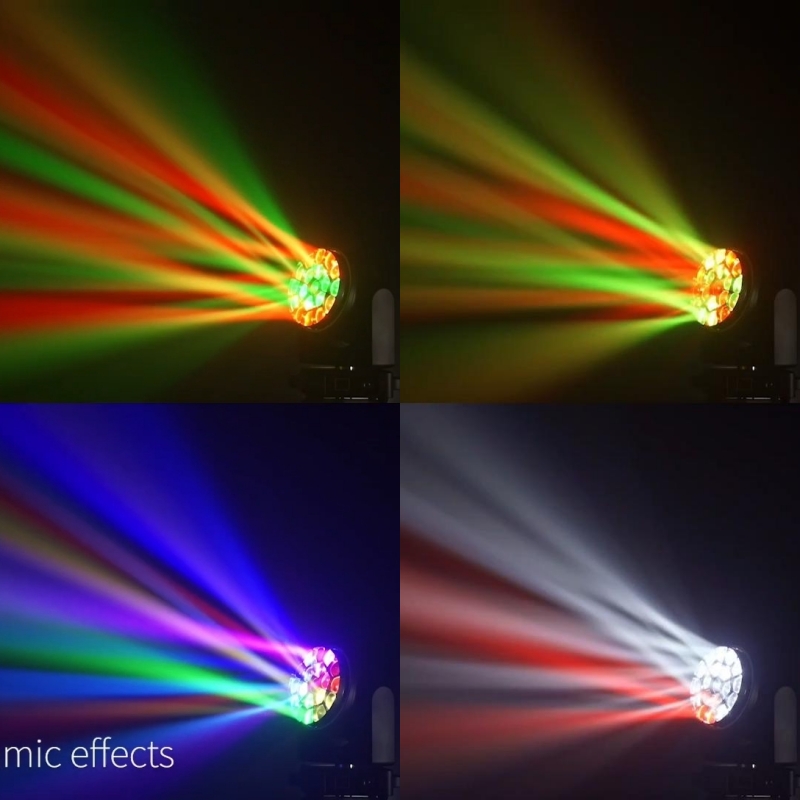


A moving head can look convincing in a sample room and still be a poor fit for a distributor's product line. The problem often shows up later: the model is difficult to position, customers keep asking for parts, or the production batch does not feel the same as the sample that was approved.
For a distributor, the question is not only whether the fixture performs well. It is whether the product can be sold, supported and reordered without creating unnecessary problems.
Does the Product Have a Clear Place in Your Range?
Before adding a new moving head light, it should be clear what job the product is supposed to do. Is it a lower-cost rental fixture, a higher-output model, a compact wash, a framing light, or a multi-effect unit?
If a new model sits too close to two products already in the catalog, it may only split existing sales instead of creating a new opportunity.
A useful product line should give buyers clear choices rather than several fixtures with nearly the same positioning.
Check the Batch, Not Only the Sample
The first sample gets a lot of attention, but distributors usually start asking different questions once the order moves into a full batch. Color consistency is one of the first things they notice, especially when several fixtures are running side by side.
Beam angle is another detail worth checking. If fixtures from the same batch do not produce a similar beam shape and angle, the difference becomes obvious once they are programmed together on the same stage.
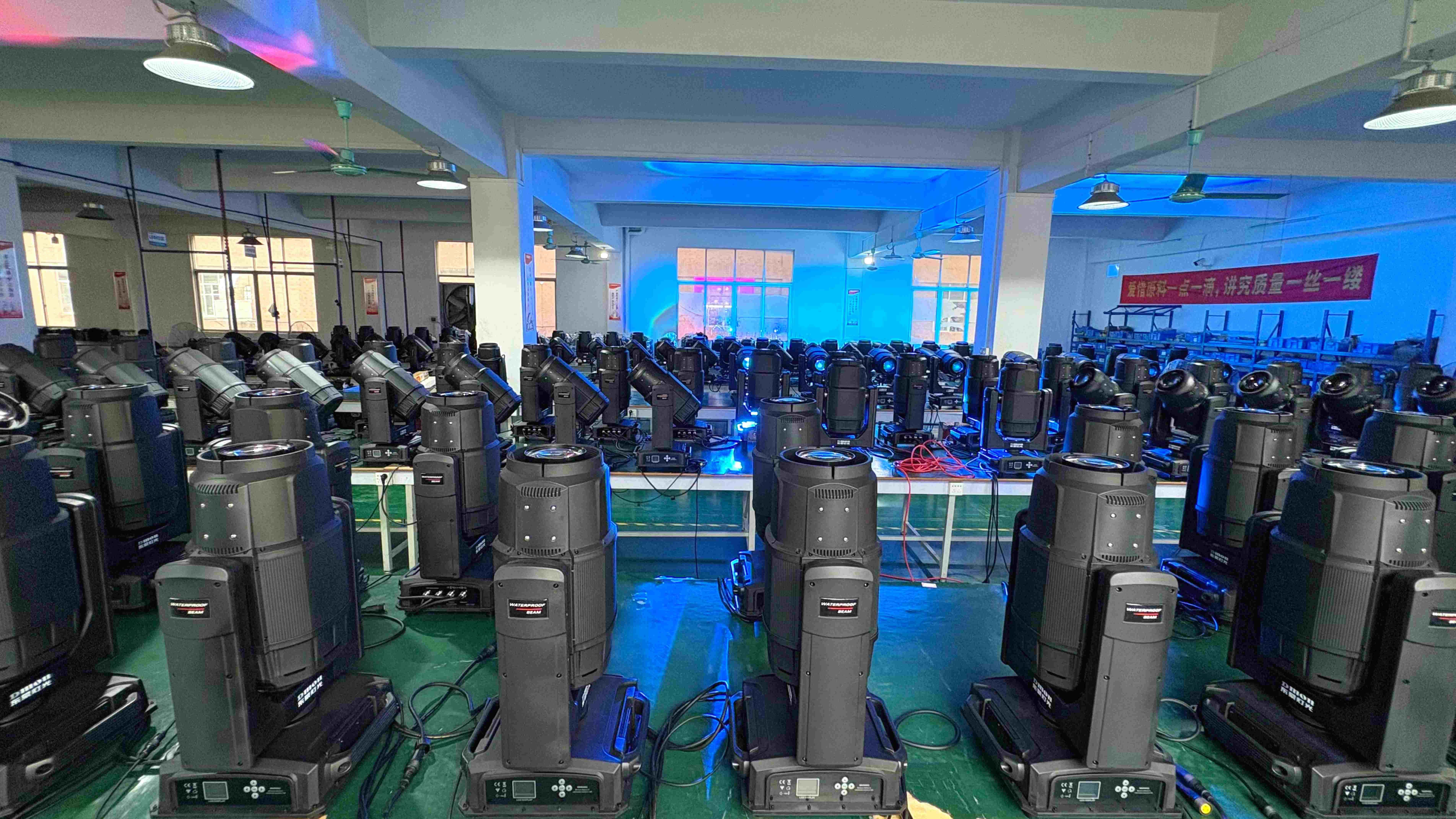
This is why batch testing matters. The goal is not only to confirm that every fixture turns on, but to keep the optical result and key functions reasonably consistent across the order.

Batch testing is where color consistency, beam angle and repeatable performance become easier to compare.
Think About the First After-Sales Case
A distributor eventually has to support the product locally, so spare parts should be discussed before the first container arrives. Common requests usually include main boards, lamps or LED sources, fans and power supplies.
Having the right parts available makes troubleshooting much easier. A slightly cheaper fixture can become expensive very quickly if every service case depends on waiting weeks for a basic replacement component.
Price Matters, but So Does the Room Left to Sell
Purchase price is only one part of the calculation. Distributors also need room for freight, local service, dealer margins, promotions and the occasional spare part.
A model is easier to keep in the range when the customer can understand why it costs what it costs. Clear positioning usually protects margin better than simply adding more specifications.
DMON Lighting works with stage lighting distributors and rental suppliers on moving head, wash, framing and spot/gobo product lines. View our moving head lights or contact our team if you are evaluating new models for your market.