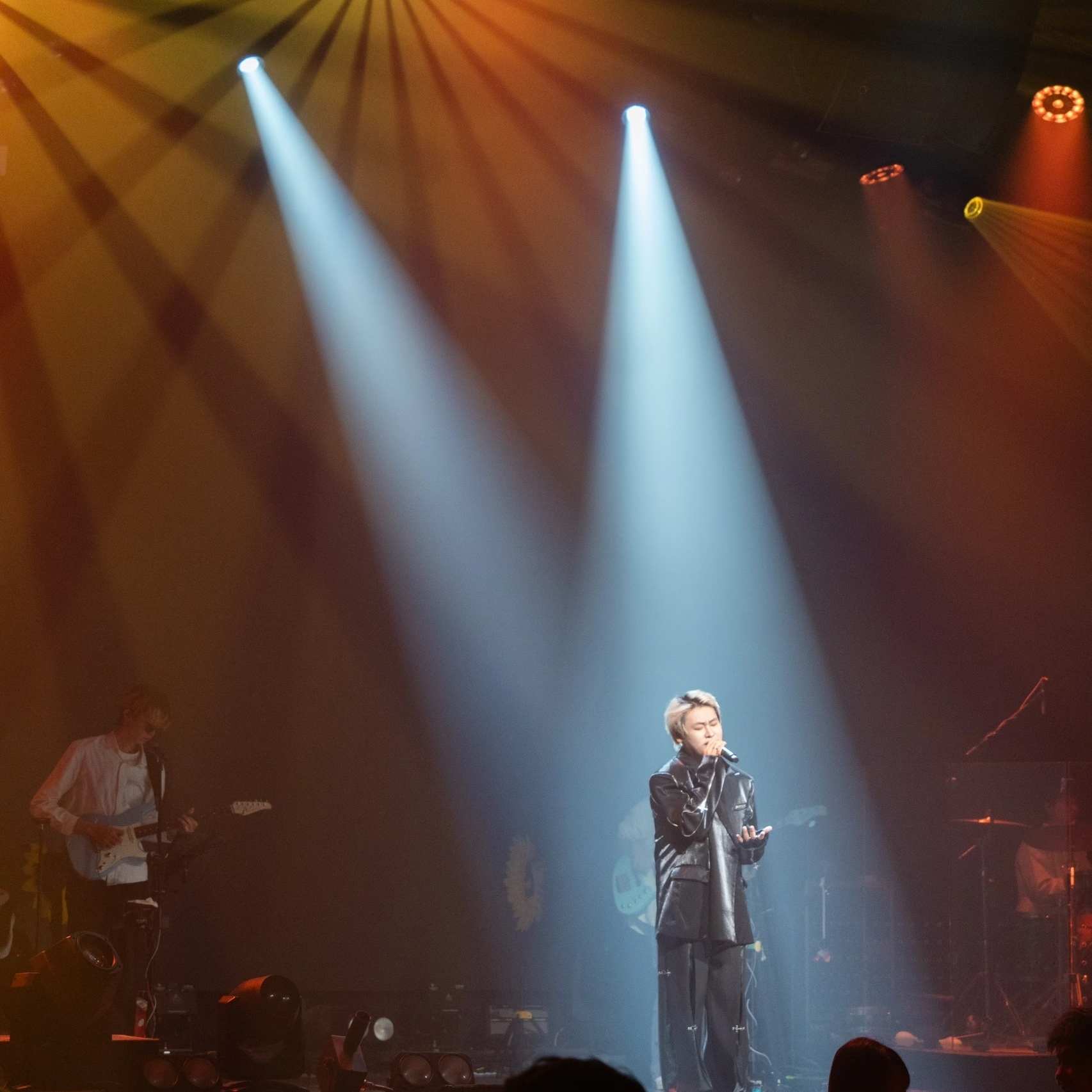

Two spot and gobo moving head lights can have similar wattage and feature lists, but look very different once the gobo is projected onto a stage. Sharpness, focus stability and optical design usually show the difference faster than the specification sheet.
Check the Gobo at Different Zoom Angles
A spot and gobo moving head light should keep the projected pattern clean through the usable zoom range. Check the center and edges of the image, not only the sharpest point shown in a demo.
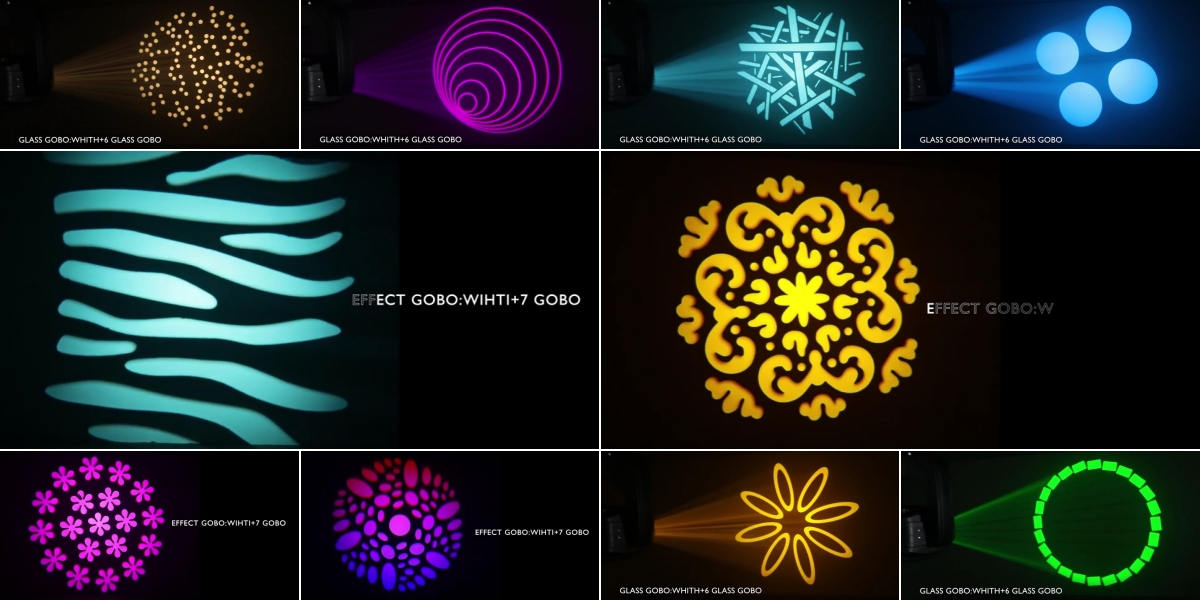
Gobo sharpness and focus stability are easier to judge from a real projection than from wattage alone.
Beam and Spot Functions Should Work Together
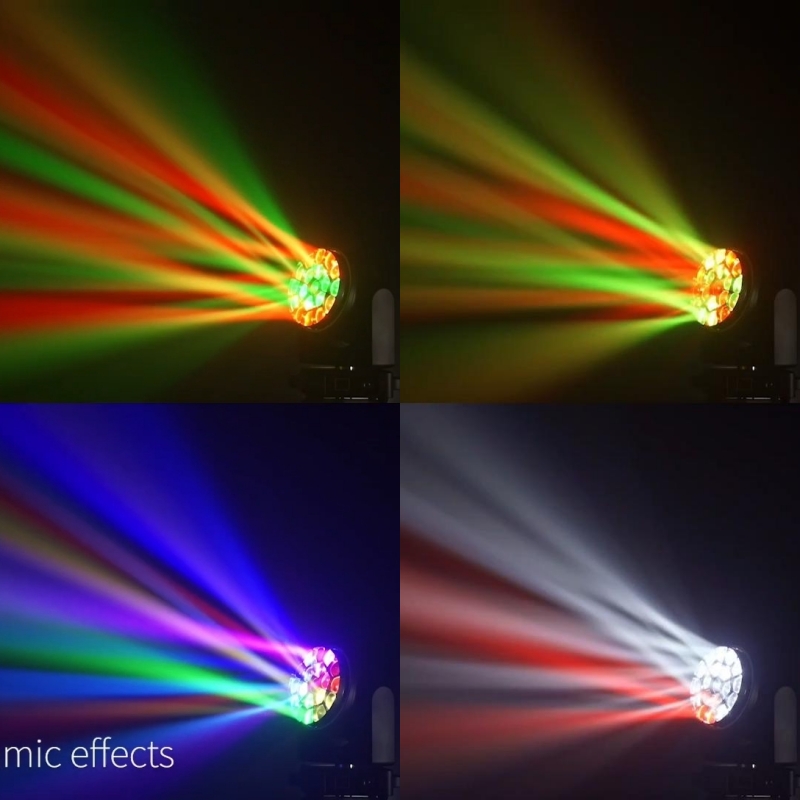
Many spot and gobo moving head lights used for concerts and rental productions also include beam, prism or other effects. The useful question is not how many functions are listed, but whether the optics let those functions work well without making programming unnecessarily complicated.
Movement Matters in Rental Use
For rental and touring, pan and tilt repeatability are worth checking. A gobo moving head light that cannot return accurately to programmed positions becomes noticeable very quickly when several fixtures are running the same cue.
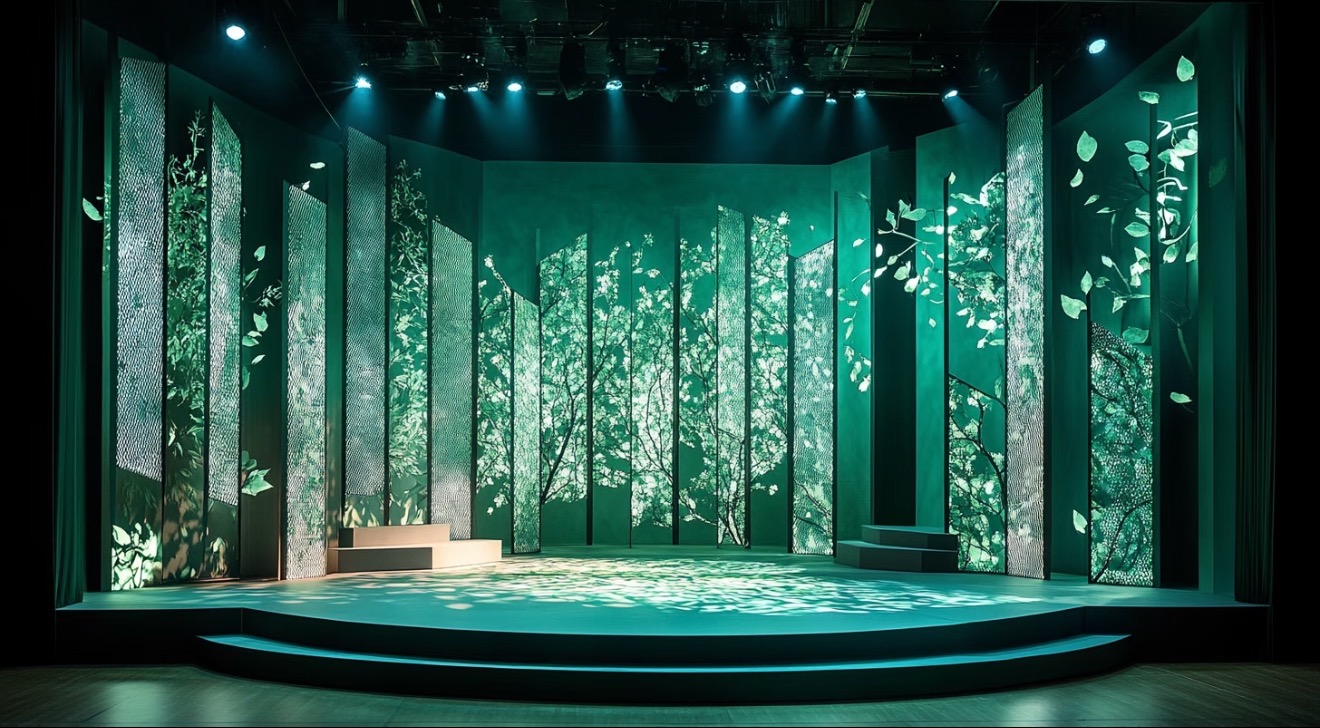
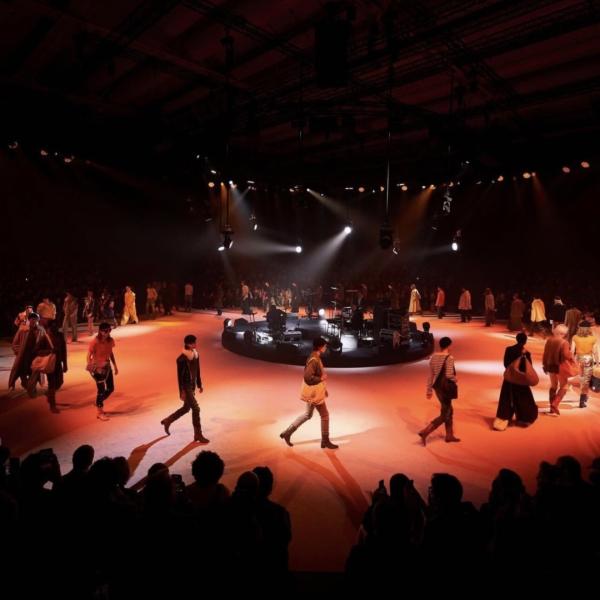
For concert and touring rigs, repeatable movement and stable focus matter as much as effect quantity.
Don’t Judge the Fixture by Wattage Alone
Light-source power matters, but so do optics, cooling, focus, gobo quality and mechanical stability. For concerts, touring and event stages, these details often tell you more about real performance than the headline wattage.
DMON Lighting manufactures professional stage lighting equipment, including spot and gobo moving head lights. For model selection based on your application, contact our team.