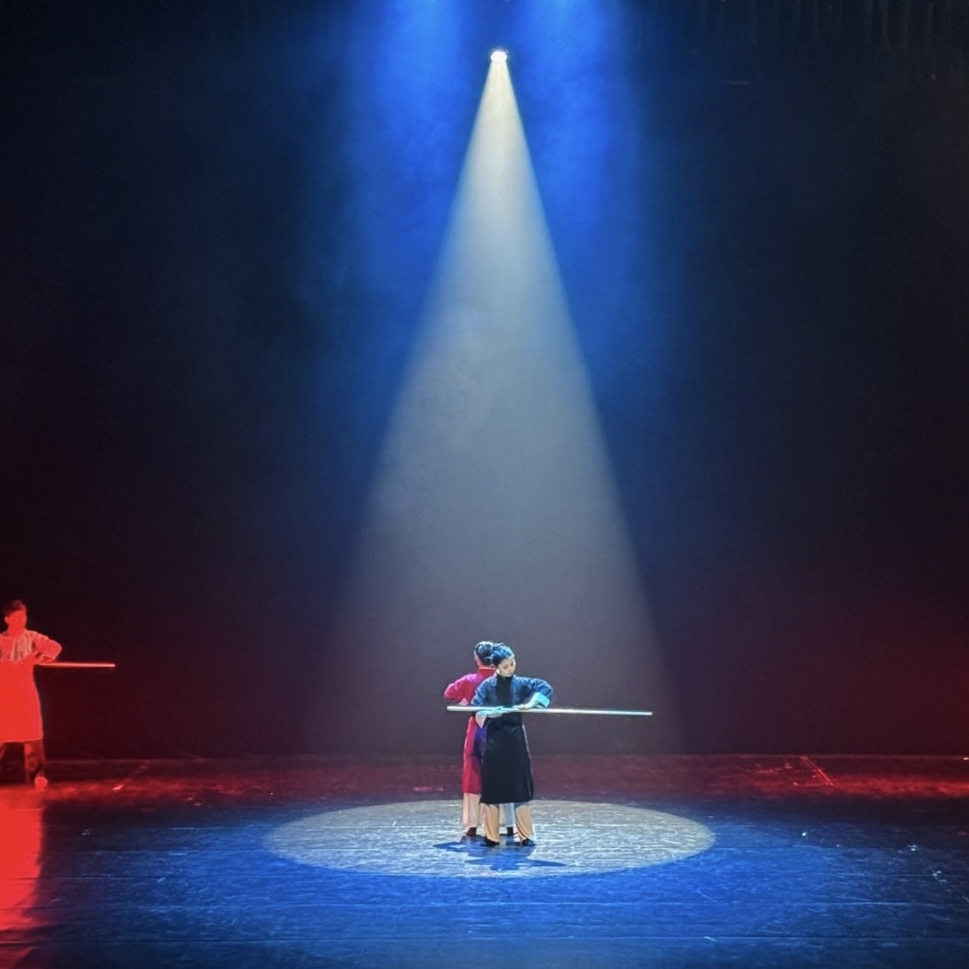

A wash moving head and a bee-eye moving head can look similar from the front, but they are usually chosen for different reasons. One is mainly about smooth stage coverage; the other adds more visible beam movement and lens effects.
What a Wash Moving Head Does Best
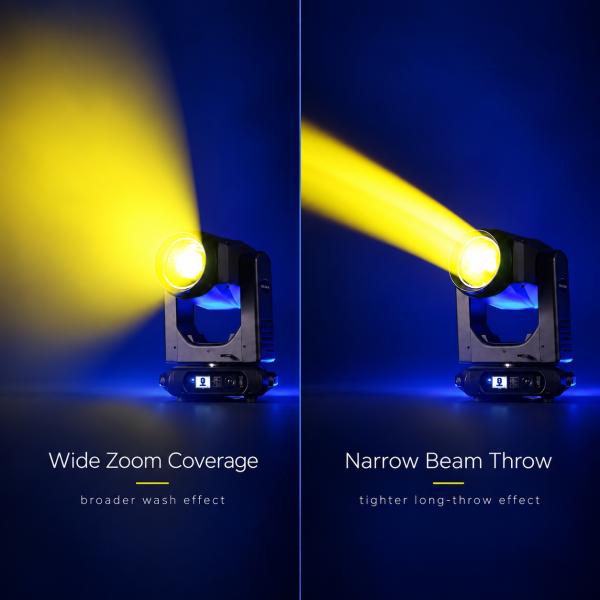
A wash moving head is mainly used to create even color coverage across performers, scenery or larger stage areas. Motorized zoom makes it easier to move between a tighter wash and wider coverage without changing fixtures.
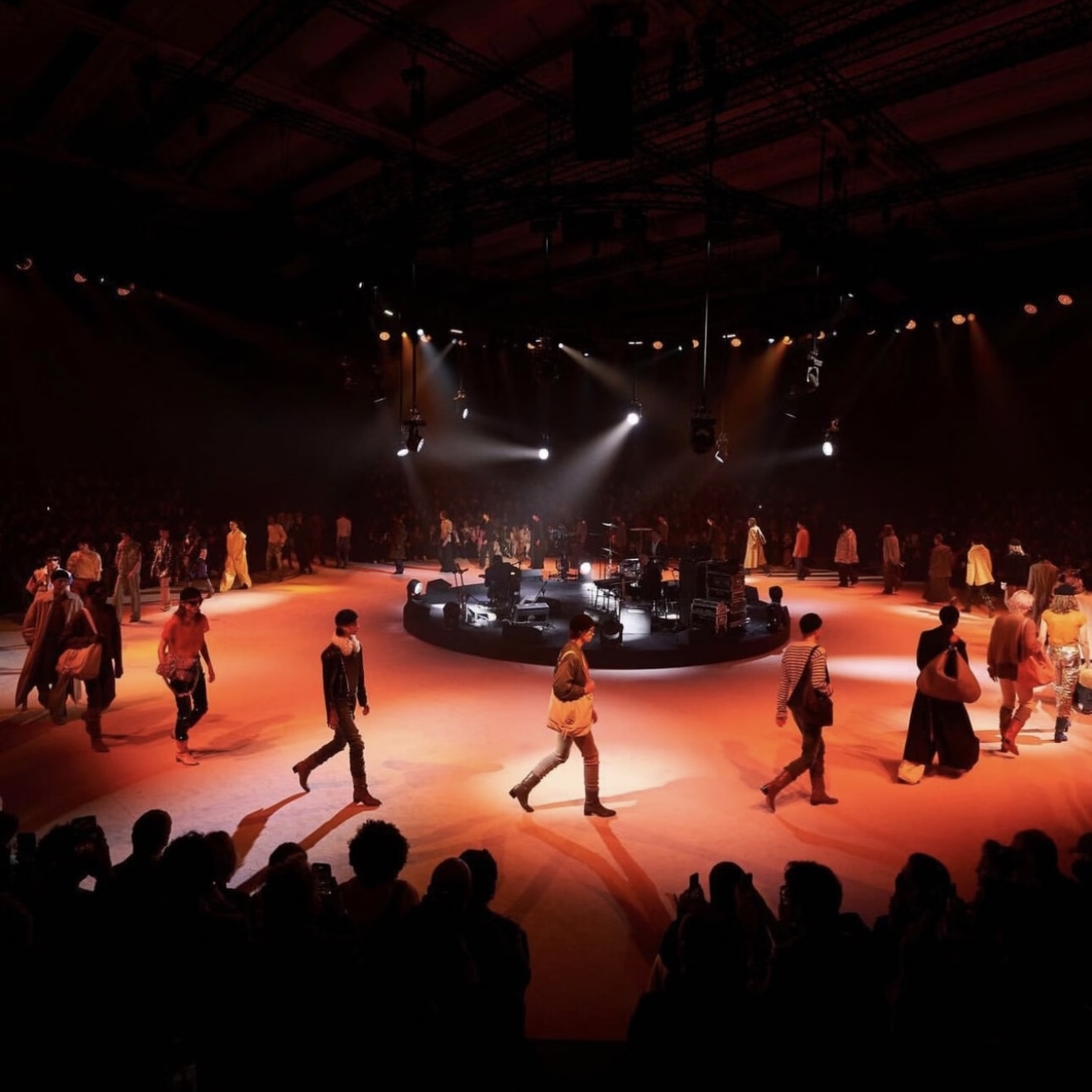
Wash fixtures are usually chosen for smooth color coverage and flexible beam width.
Where Bee-Eye Fixtures Feel Different
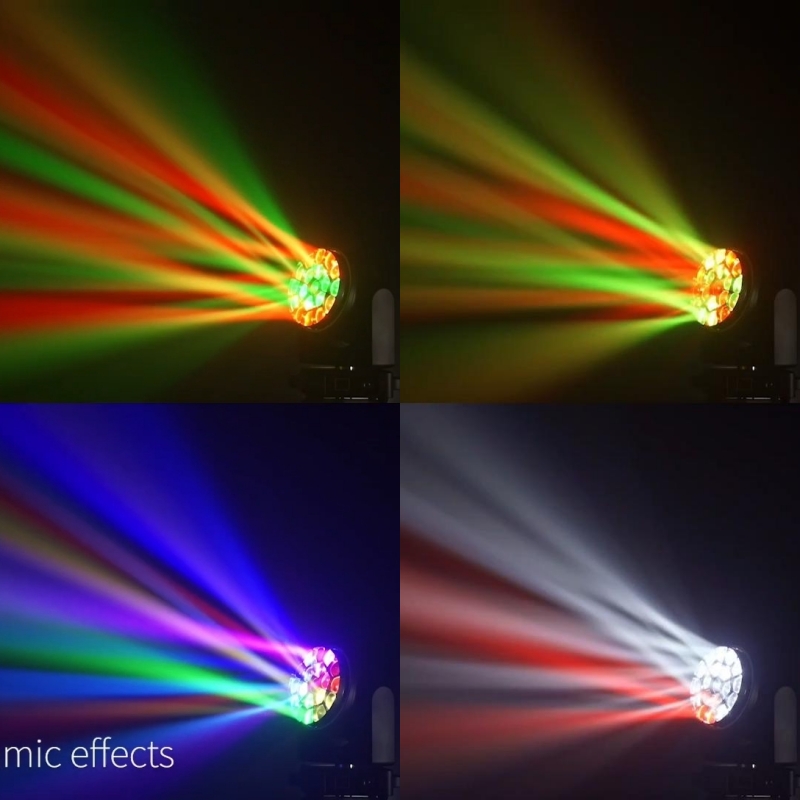
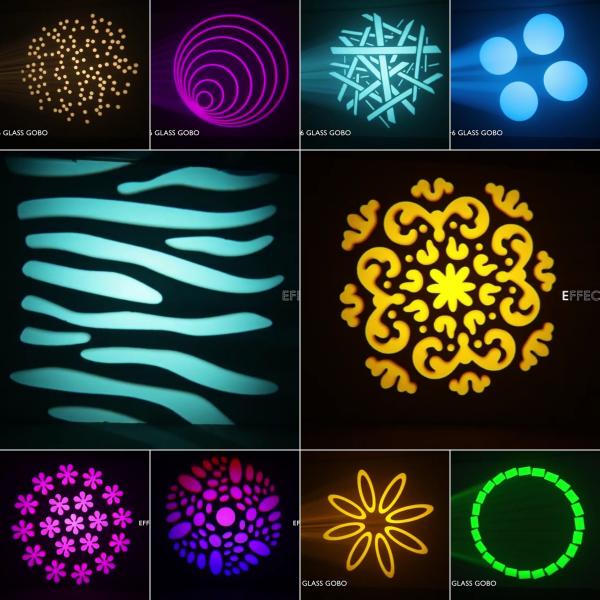
A bee eye moving head can still work as a wash, but its rotating lens and individual LED control can create stronger beam patterns, pixel effects and movement in the air. This makes it useful when the fixture needs to be part of the visual effect, not just the color wash.
Which One Fits the Project?
For theaters, auditoriums and general stage coverage, a conventional wash moving head is often the simpler choice. For concerts, clubs and shows where lens rotation, beams and pixel effects are part of the look, a bee-eye fixture usually gives the programmer more options.
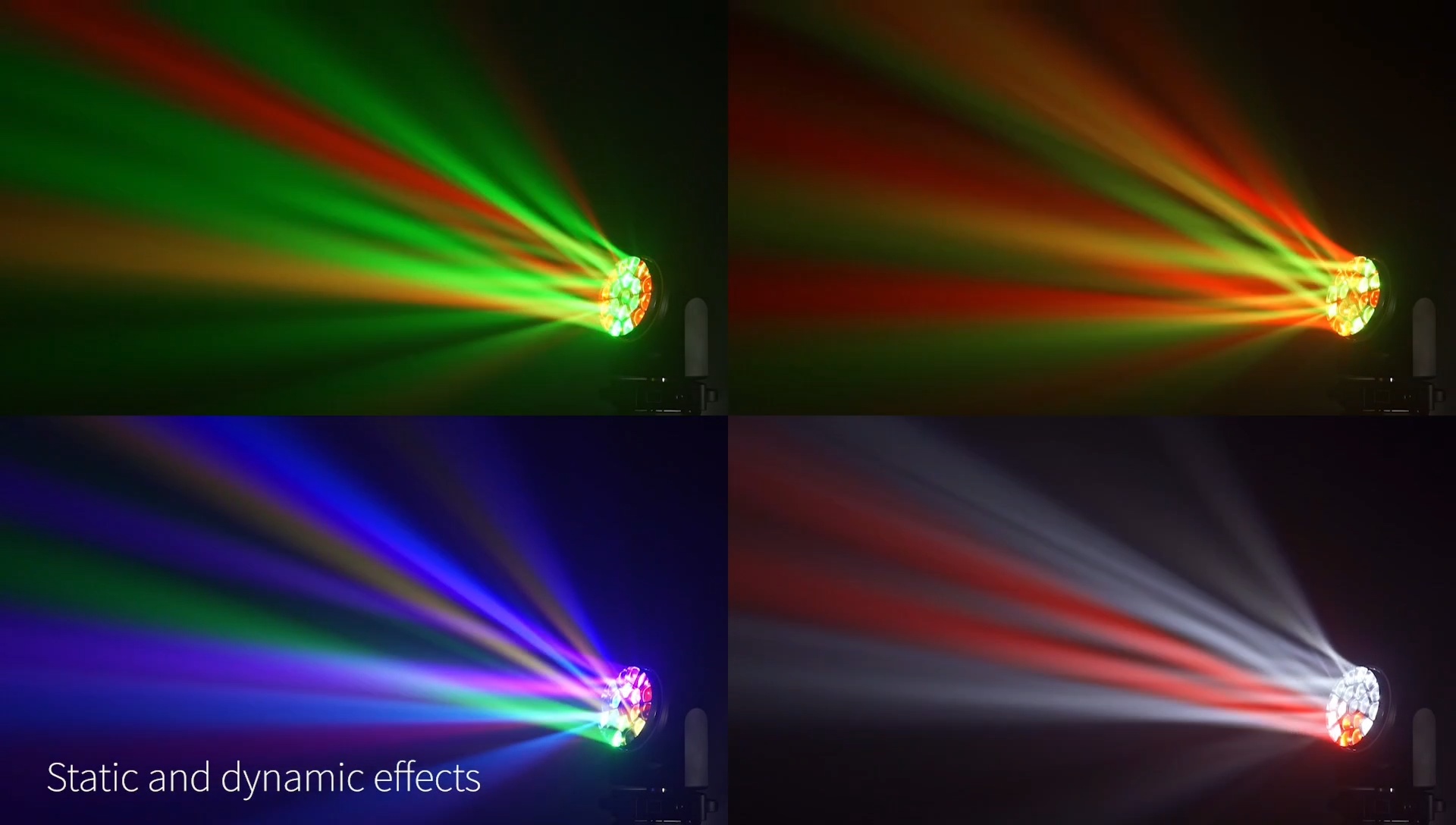
Bee-eye fixtures combine wash coverage with stronger lens and beam effects.
Don’t Compare Wattage Alone
When comparing a wash moving head and a bee-eye moving head, zoom range, optical design, pixel control and lens movement usually tell you more than total wattage. The right choice depends on whether the fixture is being used mainly for coverage or as part of the show effect.
DMON Lighting supplies professional stage lighting equipment, including wash moving head lights. For fixture selection based on your project, contact our team.