
A wider zoom range looks impressive on a specification sheet, but it does not automatically make a wash moving head more useful. What matters is whether the fixture can produce the coverage you need from the actual mounting position.
A 4° narrow beam and a 60° wide wash may both be useful, but usually for very different jobs.
Start With Throw Distance, Not the Zoom Number
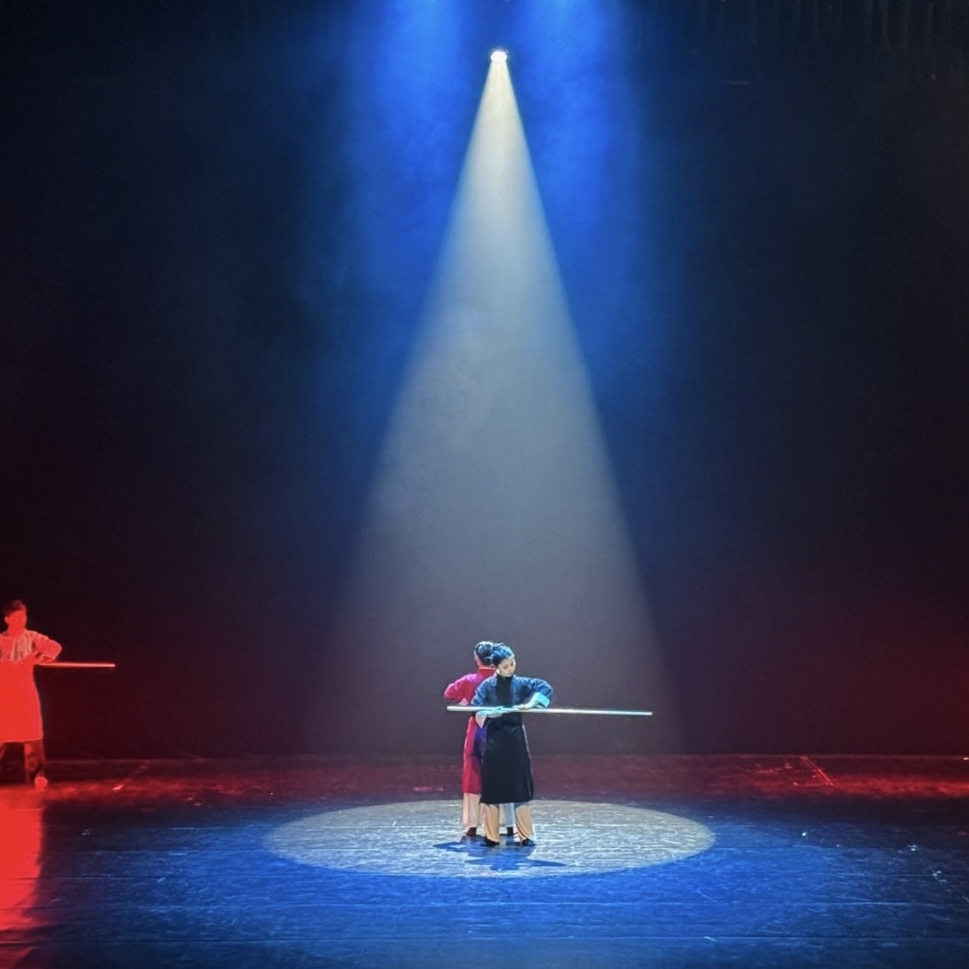
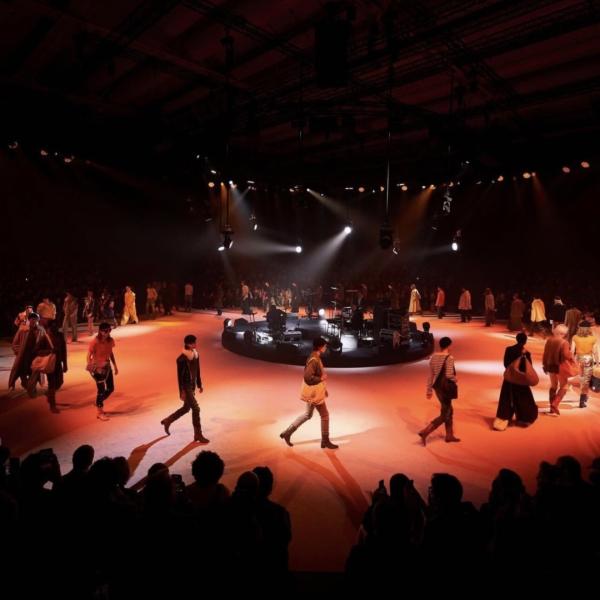
If a fixture is mounted high or far from the stage, a narrower angle helps keep the light concentrated. At shorter distances, a wider zoom makes it easier to cover performers, scenery or larger sections of the stage without adding more fixtures.
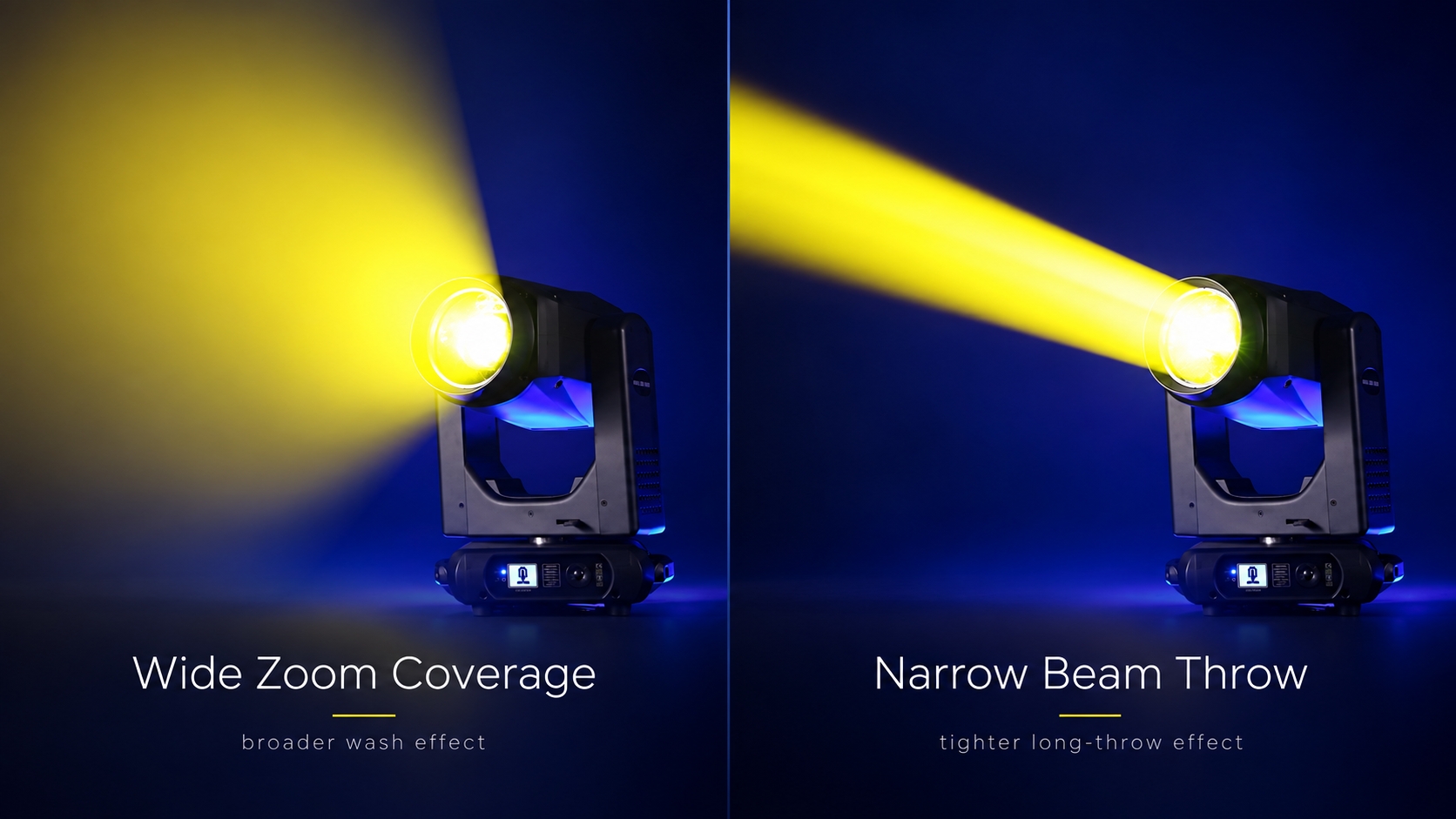
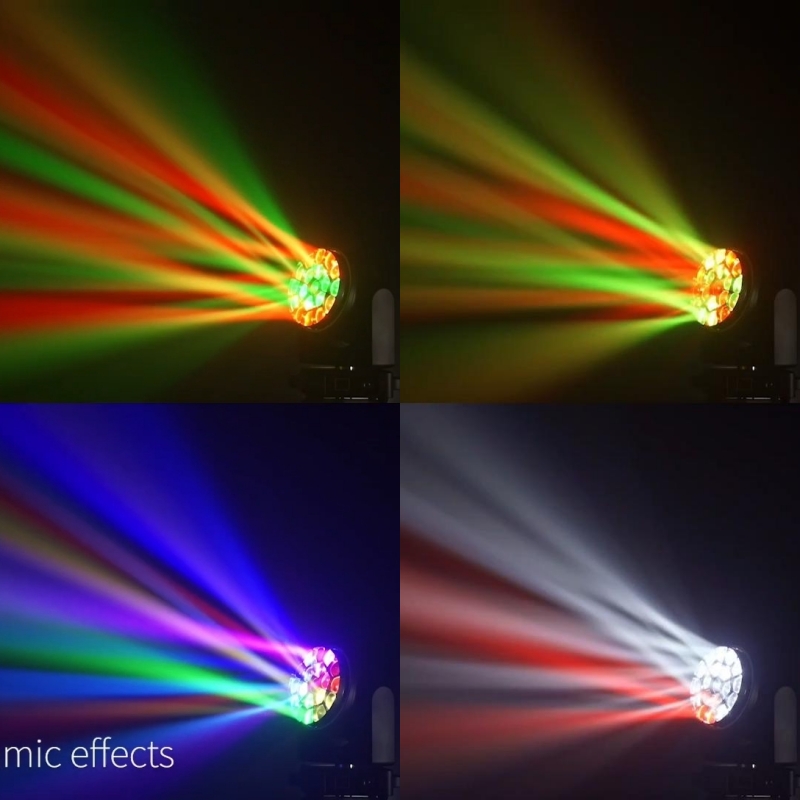
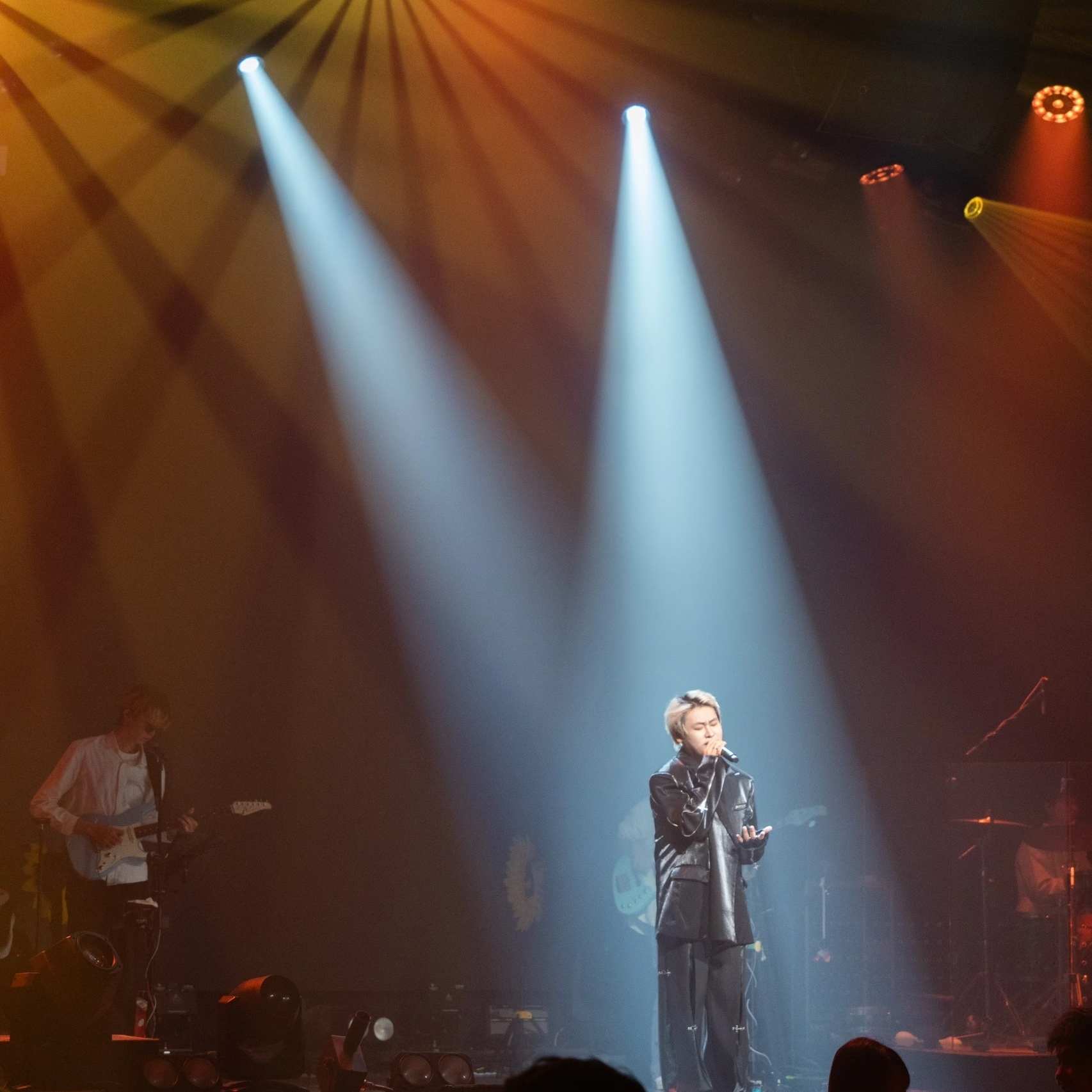
The same wash moving head can serve very different areas when the zoom range is actually usable across the full beam.
Wide Zoom Is Useful Only If the Wash Stays Even
This is where two fixtures with similar specifications can behave differently. At the widest angle, check whether the field remains smooth and whether the edges still look usable. A large zoom number means less if the output becomes uneven at one end of the range.
Rental Buyers Usually Need More Flexibility
A rental company may use the same zoom wash moving head in a wedding venue one week and on a concert stage the next. A practical zoom range gives the fixture more chances to stay in the inventory instead of being limited to one type of job.
There Is No Single “Best” Zoom Range
For fixed installations, the required coverage and mounting distance are usually more important than having the widest possible range. For rental and touring, flexibility matters more. The useful comparison is not which fixture has the bigger number, but how much of that range works well in the jobs you actually do.
DMON Lighting manufactures professional stage lighting equipment, including wash moving head lights for rental, concert and fixed-installation projects. Contact our team if you need help selecting a zoom range for a specific stage or venue.